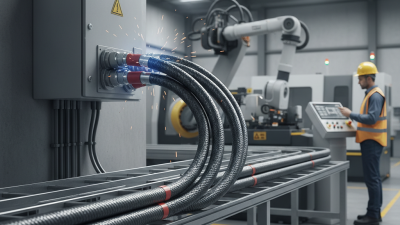
So here's the thing—as the world gets more electrified, there's a growing need for solid medium- and low-voltage infrastructure. The International Energy Agency's latest Electricity 2024 report points out that global electricity demand is expected to climb by around 4% each year up to 2026. And this isn't just some abstract figure; it's actually playing out right on the ground—in factories, renewable-energy sites, ports, and those underground distribution networks.
Honestly, when you're a global buyer looking for a 3 Phase Armoured Cable, it's not just about comparing prices. There's a whole bunch of factors that can change how it performs – like what the conductor is made of, the insulation, the armour design, the voltage rating, how deep you're going to bury it, and even the environment it's exposed to. You've got standards like IEC 60502-1 and IEC 60502-2 that give you good reference points for most power cable applications. But here's the thing: just because something ticks the compliance boxes doesn't mean it's the right fit for your actual installation. You know, a cable that snakes through a humid trench is a whole different beast from one fixed up in a dry industrial hall. It's the little things that catch you off guard – the gland size, how tight you can bend it, the earthing method, and don't even get me started on thermal derating.
Philippe Vanhille – you know, the high-voltage cable guy from Prysmian – he’s been hammering on one point: if we’re serious about electrification, the grid has to keep up. That’s true for absolutely every cable project, even the ones that look like a walk in the park. So when we’re looking ahead to 2026, there are three cable types that should be on your radar: steel wire armoured, steel tape armoured, and aluminium wire armoured. Yeah, those are the ones to keep an eye on. You know, each cable type has its own trade-offs—mechanical strength, weight, corrosion resistance, and installation cost all factor in differently. But honestly, there's no one-size-fits-all ranking. It really depends on the ground conditions, the load you're dealing with, and also how disciplined the installer is. Like, a cheaper cable might seem like a bargain at first, but if termination turns out to be a pain, or if it runs into excessive heat, or the sheath gets damaged prematurely, it ends up costing you more in the long run. So in the end, being careful with your specifications is usually the safer bet.
What Is a Three-Phase Armoured Cable?
2026 Top 3 Phase Armoured Cable Types for Global Buyers
What Is a Three-Phase Armoured Cable?
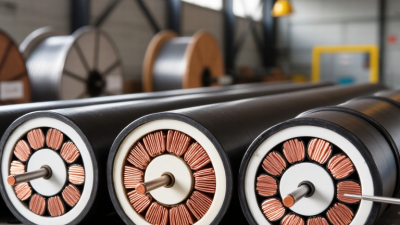
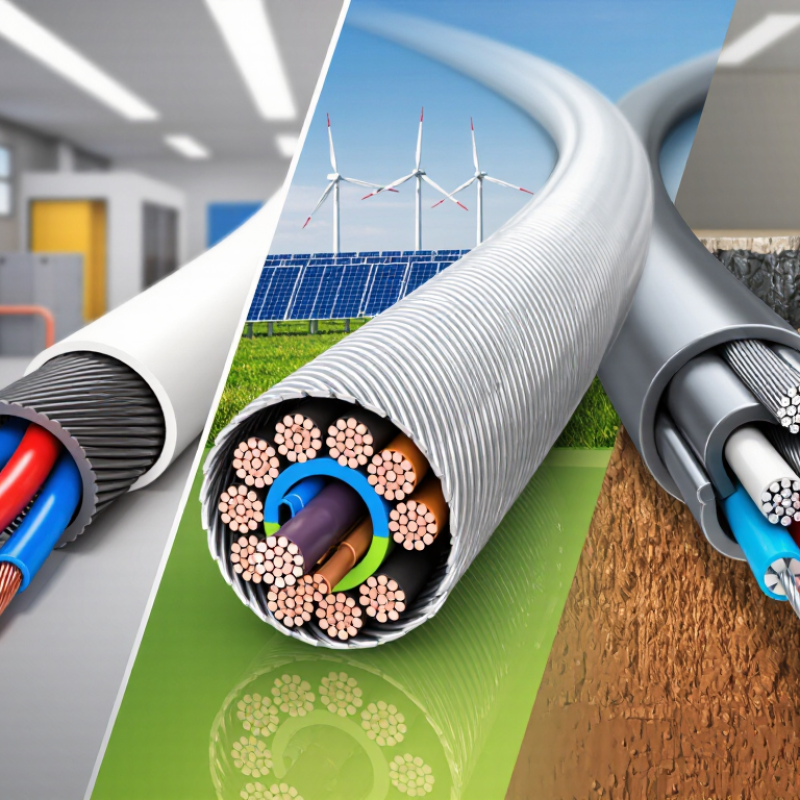
A Three Phase Armoured Cable carries three alternating-current phases through one protected assembly. Its three insulated cores share a metallic armour layer, usually steel wire or steel tape. Conductors may use copper or aluminium. XLPE insulation is common for demanding installations. The armour resists crushing, impact, and installation tension. It is not a decorative layer.
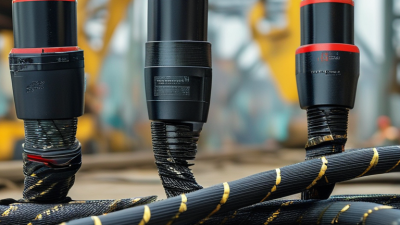
Common constructions include steel wire armour, steel tape armour, and aluminium wire armour. Each suits different mechanical, weight, corrosion, and grounding requirements. In practical projects, these cables connect switchboards, transformers, motors, and industrial distribution points. A bedding layer separates insulation from armour. The outer sheath helps resist moisture, abrasion, and soil contact. However, armour does not automatically make a cable waterproof or safe without correct bonding.
Engineers select cable size from load current, voltage, fault level, route length, temperature, and installation method. They also check voltage drop and continuous operating temperature. For buried routes, depth, drainage, backfill, and warning protection matter. For exposed routes, ultraviolet light and movement deserve attention. A larger cable is not always better; it can create difficult bends and termination stress. I would question drawings that show armour but omit earthing details. Small omissions become expensive during testing.
Type One: Steel Wire Armoured Cable for Industrial Power
Steel wire armoured cable remains a dependable choice for industrial power networks in 2026. Its galvanized steel wires protect conductors from impact, crushing, and moderate pulling forces. This makes it suitable for factories, workshops, warehouses, and outdoor plant areas. The steel layer also supports safer routing where cables may face mechanical stress.
For industrial installations, buyers should check conductor material, voltage rating, insulation compound, armour quality, and outer sheath performance. Copper conductors offer strong conductivity, while aluminium can reduce cable weight and initial cost. A qualified engineer should calculate current capacity, voltage drop, short-circuit withstand, and installation temperature. These details matter more than appearance. They prevent costly overheating problems.
Armoured Cable Single Phase can serve compact machinery, control equipment, and smaller distribution circuits. However, its suitability depends on load demand and cable length. A cable that works well in a dry workshop may perform poorly in wet soil or chemical areas. The installer must confirm gland compatibility and reliable earthing before energising the system. I have seen projects focus heavily on cable price, then underestimate termination costs. That approach needs reconsideration. Not every steel wire armoured cable suits every climate, tray system, or maintenance plan. Global buyers should request clear test reports, dimensional data, and installation guidance from qualified suppliers. Availability also deserves attention, because replacement lengths may not match the original specification.
Type Two: Steel Tape Armoured Cable for Underground Networks
Type Two: Steel Tape Armoured Cable for Underground Networks
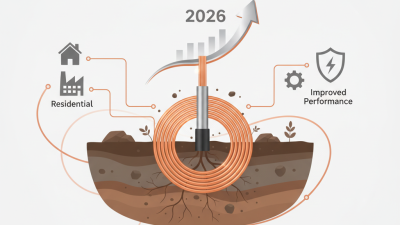
Steel tape armoured cable remains a practical option for buried power distribution. Its overlapping steel layers protect insulated conductors from crushing, abrasion, and accidental shovel contact. It is not invincible. High pulling tension can deform the armour, so installers should use approved pulling methods and respect the cable’s bending radius.
The International Energy Agency reported in Electricity Grids and Secure Energy Transitions that global grids may require 80 million kilometres of new or refurbished lines by 2040. It also estimated annual grid investment must more than double, exceeding 600 billion dollars. These figures strengthen demand for durable underground systems. Steel tape designs suit ducts, commercial sites, and moderate-depth trenches when local installation rules permit them.
Moisture control matters underground. A damaged outer sheath can allow water migration and accelerate steel corrosion. Installers should inspect drum condition, verify sheath integrity, and use suitable bedding around the cable. IEC 60502-1 provides important construction and test requirements for many low-voltage and medium-voltage cables, but project conditions still require engineering review. A specification may look complete on paper and still fail in wet soil. That lesson is easy to overlook. Consider soil chemistry, fault protection, thermal load, joint quality, and future excavation risks before selecting steel tape armour.
Type Three: Aluminium Wire Armoured Cable for Lightweight Systems
Aluminium wire armoured cable suits Three Phase Cable systems where weight and installation access matter. Aluminium weighs about one-third as much as copper, according to International Aluminium Institute material data. A 100-metre drum is easier to move across a rooftop or narrow plant corridor. That trade-off matters.
Its conductivity is lower than copper’s, so designers must increase conductor size. The International Electrotechnical Commission’s IEC 60228 supports conductor classification, while IEC 60502-1 covers many low-voltage power cable constructions. Engineers should verify voltage drop, fault current, ambient temperature, and grouping before approval. Guessing from copper layouts is a costly mistake.
The armour adds mechanical protection against impact, pulling, and accidental crushing. However, aluminium armour can require careful termination because oxidation affects contact quality. Field teams should clean interfaces, use approved glands, and tighten connections to documented torque values. Keep records. IEA’s Electricity 2024 report expects strong electricity-demand growth through 2026, increasing pressure on durable distribution systems. Yet lightweight does not mean universally better. Larger aluminium conductors may need wider glands, bigger trays, and more bending space. A project review should compare drum weight, installation labour, thermal performance, and lifecycle maintenance. Some early estimates miss those details.
2026 Top 3 Phase Armoured Cable Types for Global Buyers - Type Three: Aluminium Wire Armoured Cable for Lightweight Systems
| Typical 3-Phase Circuit Configuration | Conductor Size
(mm²) | Conductor Material & Class | Nominal Voltage | Conductor DC Resistance
at 20°C (Ω/km, max.) | Typical Current Rating
(A) | Approx. Overall Diameter
(mm) | Recommended Use |
| 3 × 1-core AWA cables installed in trefoil | 25 | Stranded aluminium, Class 2 | 0.6/1 kV | 1.20 | Approximately 90–100 | 15–18 | Small distribution feeders, lighting panels and compact industrial loads |
| 3 × 1-core AWA cables installed in trefoil | 50 | Stranded aluminium, Class 2 | 0.6/1 kV | 0.641 | Approximately 135–150 | 19–22 | Commercial buildings, motor feeders and medium-length power runs |
| 3 × 1-core AWA cables installed in trefoil | 95 | Stranded aluminium, Class 2 | 0.6/1 kV | 0.320 | Approximately 205–225 | 24–28 | Industrial distribution, HVAC systems and renewable-energy collection circuits |
| 3 × 1-core AWA cables installed in trefoil | 150 | Stranded aluminium, Class 2 | 0.6/1 kV | 0.206 | Approximately 275–310 | 29–34 | Main low-voltage feeders where reduced cable weight is important |
Typical Construction: Compact stranded aluminium conductor, XLPE insulation, aluminium wire armour, and PVC or low-smoke zero-halogen outer sheath.
Reference Standards: IEC 60502-1 for power cables with extruded insulation up to 1 kV, IEC 60228 for conductor resistance and construction, and IEC 60332-1-2 for vertical flame propagation testing.
Why AWA Is Used: Aluminium wire armour is non-magnetic and helps reduce additional magnetic losses in single-core AC cables. For a three-phase system, the three single-core cables should normally be arranged together in trefoil or a balanced flat formation.
Engineering Note: Current ratings and dimensions are typical reference ranges for 90°C XLPE-insulated cables under commonly used installation conditions. Final selection must consider ambient temperature, installation method, grouping, voltage drop, short-circuit withstand, earthing requirements and the applicable national code.
How to Compare Safety, Load Capacity, and Installation Needs
For global buyers, choosing a three-phase armoured cable starts with the installation, not the catalogue. A cable buried under wet soil faces different risks from one beside a hot factory wall. Compare conductor material, insulation rating, armour protection, and sheath resistance. Copper offers strong conductivity in compact sizes, while aluminium can reduce weight and cost. Neither choice is automatically better. Check voltage, ambient temperature, grouping, and fault current against recognized standards and local code requirements. Safety also depends on glands, terminations, earthing, and mechanical protection.
Load capacity must reflect real operating conditions. A cable rated in open air may carry less current inside a duct or crowded tray. Request current-carrying tables, voltage-drop calculations, short-circuit withstand data, and test documents. Steel-wire armoured cable suits heavier mechanical exposure. Steel-tape armour may fit lighter-duty routes. Aluminium-wire armour can help where weight matters. Confirm bending radius and pulling tension before ordering. A catalogue rating can still mislead.
Tips: Measure the route, including bends and vertical rises. Leave room for termination work. Compare total installed cost, not only cable price. Request construction drawings when specifications seem unclear. Have a qualified engineer review the final selection. In practice, projects sometimes specify a generous conductor size but overlook space for larger glands. Recheck the design under real installation conditions.
Global Standards and Buying Factors for 2026
Global demand for dependable power links is rising. The IEA Electricity 2024 report projects global electricity demand to grow by about 3.4% annually from 2024 to 2026. IRENA also recorded 585 GW of renewable capacity additions in 2024. These projects need a suitable 3 Phase Cable, not simply the cheapest option.
Three armouring choices dominate purchasing discussions. Steel wire armoured cable suits underground feeders, industrial plants, and areas needing strong mechanical protection. Aluminium wire armoured cable reduces weight and is often preferred for single-core circuits, where magnetic losses require careful design. Steel tape armoured cable can offer economical protection for lighter-duty installations, but it may not tolerate severe pulling or crushing. In practice, site conditions decide more than catalogue rankings.
Global buyers should check IEC 60502-1 for power-cable construction and voltage requirements. Fire performance may require IEC 60332 testing, while low-smoke applications often involve IEC 60754 and IEC 61034 criteria. Conductor size must reflect current, voltage drop, ambient temperature, installation method, and short-circuit duration. Copper is compact, but aluminium can reduce material weight and cost. The saving is not automatic.
Ask for routine test records, batch traceability, verified conductor resistance, and armour continuity results. Confirm sheath performance in wet soil, UV exposure, or corrosive areas. A cable that passes a laboratory test may still fail through poor gland selection or careless bending. I would not treat a standards mark as complete proof. Supplier documentation, independent inspection, and installation experience still matter.
FROR PVC Control Cable: Structure, Applications, Selection, and Installation Guide
FROR PVC control cable is designed for reliable signal and control transmission in industrial equipment, automation systems, control panels, and building services. Its typical structure includes stranded copper conductors, PVC insulation around each core, and an outer PVC sheath for mechanical protection. Depending on the required configuration, the cable may contain multiple cores, numbered or color-coded conductors, and optional shielding to reduce electromagnetic interference. The flexible construction supports repeated routing in cabinets and machinery, while the PVC materials provide practical resistance to moisture, abrasion, and common indoor pollutants.
When selecting an FROR cable, first confirm the system voltage, conductor cross-sectional area, number of cores, operating temperature, and installation environment. Consider whether the cable will be exposed to oil, vibration, sunlight, movement, or electromagnetic noise. A shielded version may be preferable for low-level control signals near motors or power cables. The cable’s flexibility, allowable bending radius, and required fire or environmental performance should also match the project specifications.
During installation, cut the sheath carefully and avoid damaging the insulation or shield. Route the cable away from high-power lines where possible, and maintain the manufacturer’s recommended bending radius, especially near terminals and cable glands. Do not apply excessive pulling force, twisting, or compression. Secure the cable at suitable intervals, leave enough length for maintenance, and use properly sized terminals to ensure stable electrical contact. Before energizing the system, check continuity, insulation condition, conductor identification, and connection tightness.
FAQS
It carries three alternating-current phases within one protected cable assembly. Insulated cores share a metallic armour layer. It is built for demanding routes.
Conductors may use copper or aluminium. Armour may use steel wire, steel tape, or aluminium wire. XLPE insulation suits demanding installations.
Armour helps resist crushing, impact, and pulling tension during installation. It also supports safer routing near industrial equipment. It is not decorative.
No. The outer sheath helps resist moisture and soil contact. Correct sealing, drainage, bonding, and installation remain necessary. Armour alone is not waterproof.
It suits factories, workshops, warehouses, and outdoor plant areas. Galvanized steel wires handle moderate mechanical stress. Check corrosion conditions carefully.
Aluminium reduces cable weight and makes long drums easier to move. A rooftop route may need less lifting equipment. Lightweight is not always better.
They should check current, voltage, fault level, route length, temperature, and installation method. Voltage drop also matters. Guessing can cause overheating.
Gland compatibility, earthing, bending space, termination torque, and replacement lengths need checking. Keep test records. Small omissions become expensive.
No. A larger cable may create difficult bends and termination stress. It may also require wider trays and bigger glands. The best choice needs review.
Request test reports, dimensions, voltage ratings, sheath details, and installation guidance. Confirm future replacement availability. Price alone tells an incomplete story.
Conclusion
A 3 Phase Armoured Cable is designed to transmit three-phase electrical power while providing mechanical protection against impact, moisture, soil pressure, and demanding operating conditions. This article introduces three practical cable types for global buyers in 2026: Steel Wire Armoured Cable for industrial power systems requiring strong protection and high load capacity; Steel Tape Armoured Cable for underground networks where dependable shielding and cost control are important; and Aluminium Wire Armoured Cable for lightweight systems where easier handling, reduced installation effort, and lower overall weight are priorities.
The comparison focuses on safety, current-carrying capacity, flexibility, installation environment, grounding requirements, and long-term maintenance. Buyers should also evaluate conductor material, insulation performance, operating temperature, fire behavior, cable diameter, delivery conditions, and compatibility with local electrical systems. Before purchasing, confirm that the selected cable meets the applicable international, regional, and project-specific standards. Careful assessment of site conditions and compliance requirements helps ensure reliable performance, efficient installation, and safe operation across industrial, commercial, and underground applications.