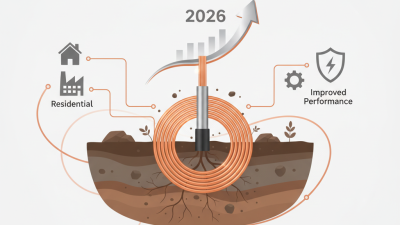
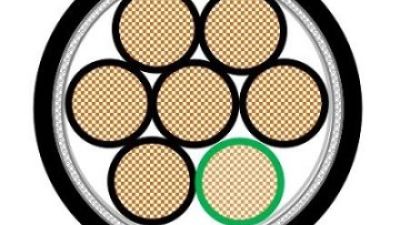
When you're diving into electrical projects, choosing the right materials really makes all the difference. Take Direct Burial Wire, for example — it’s known for its special qualities that set it apart. This kind of wire is made specifically for underground use, so it’s built tough and ready to handle the elements. Lots of folks in the trade have seen firsthand how reliable it is, which is why it’s such a popular pick.
One of the best parts about Direct Burial Wire? Its durability and resistance to moisture. These features help prevent corrosion and actually make the wire last longer. Plus, it’s pretty straightforward to install, saving you both time and some extra bucks on labor. That said, a few tricks of the trade with proper installation are key — mess up the procedures, and you might face bigger issues later on.
So, if you’re looking into electrical work, jumping on the bandwagon with Direct Burial Wire can be a smart move. Still, it’s a good idea to think about any potential drawbacks and make sure you're following local rules and regs. With a little careful planning and some good advice, many people find that this wire is definitely worth it. Having a bit of experience or knowing the ins and outs of choosing materials can really help you get a successful project under your belt.
Benefits of Direct Burial Wire for Outdoor Electrical Projects
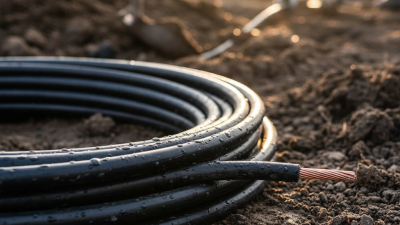
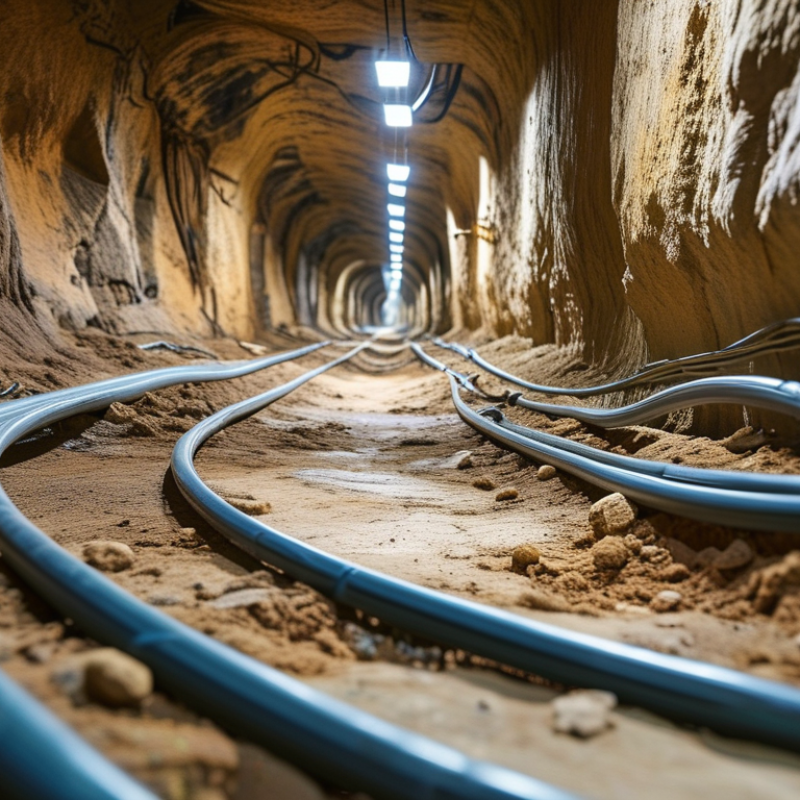
When it comes to outdoor electrical projects, using Direct Burial Wire offers numerous benefits. This type of wire is specifically designed for underground installations. It is durable, weather-resistant, and can withstand harsh conditions. The insulation is robust, protecting against moisture and soil contaminants. This reliability is essential for any long-term project.
One significant advantage of Direct Burial Low Voltage Wire is its installation convenience. There’s no need for additional conduit in most cases, which can save time and labor costs. This simplicity encourages more DIY enthusiasts to take on outdoor electrical tasks. However, ensure that local codes are followed. Ignoring regulations can lead to safety issues.
Tips for using Direct Burial Wire include checking soil conditions before installation. Wet or loose soil can impact performance. Always use a trench that is deep enough to provide adequate protection. Additionally, avoid sharp bends when laying the wire. This preserves the wire’s integrity. Reflecting on these details can ensure a successful electrical project. Remember that while this wire type is advantageous, proper installation practices are crucial for safety and functionality.
Enhanced Durability: Resistance to Environmental Factors and Rodents
Direct burial wire is increasingly popular in various projects due to its enhanced durability. It resists adverse environmental conditions, making it ideal for outdoor installations. Compared to traditional wiring, it shows a remarkable capability to withstand moisture, temperature extremes, and soil acidity. According to industry data, direct burial wire can last up to 30 years in the ground when appropriately installed. This resilience is a game changer for contractors and homeowners alike.
Additionally, resistance to rodents is a notable advantage. Rodents can cause significant damage to wiring, often leading to costly repairs. Direct burial wire features tough insulation that deters these pests more effectively than standard wire. A report from the National Pest Management Association indicates that rodent damage can cost homeowners thousands in repairs annually. By choosing 2 2 2 4 Direct Burial Wire, projects can avoid such issues and reduce long-term maintenance costs.
While the benefits are considerable, some challenges remain. Installation might require specialized skills, depending on local regulations. Although many DIY enthusiasts can undertake this task, mistakes can have serious consequences. Proper planning and adherence to local codes are essential for success. In conclusion, considering these factors can enhance the outcome of choosing direct burial wire for any project.
Cost-Effectiveness: Long-Term Savings on Installation and Maintenance
When it comes to electrical projects, choosing the right wiring can impact both costs and efficiency. Using direct burial wire can provide significant cost-effectiveness over time. These wires are designed for underground installation, eliminating the need for conduit. This reduces both material costs and labor expenses. A straightforward installation saves contractors valuable hours, leading to lower project budgets.
Over the long run, maintaining direct burial wire requires less effort. There’s no need for additional protective measures, meaning fewer repairs. Its durability against weather and soil conditions can lead to fewer replacements. For example, using 4 3 Wire Direct Burial ensures a sturdy electrical connection without ongoing maintenance concerns. Some users, however, might overlook the importance of proper burial depth, leading to potential issues in the future.
Investing in quality direct burial wire is wise. But, it’s essential to ensure that installation adheres to local codes and standards. Cutting corners here can negate any savings. Properly educated professionals should handle the installation for optimal results. Lack of expertise can lead to costly mistakes. In the end, the benefits of direct burial wire often outweigh initial costs, as long as the installation is executed carefully.
Reduced Installation Time: Simplified Procedures Compared to Conduit Systems
When it comes to electrical projects, installation efficiency is crucial. Direct burial wire provides a streamlined approach. Unlike traditional conduit systems, it eliminates complex setup steps. This leads to faster project completion. Workers can focus on critical tasks instead of intricate installation procedures.
Using direct burial wire also reduces labor costs. With fewer materials required, budget allocations become more manageable. The simplicity of the installation process decreases potential for errors. This is especially important in tight schedules. However, it’s essential to consider soil conditions. Not all environments are suitable for direct burial methods. Proper evaluation is necessary before proceeding.
The overall effectiveness of direct burial wire makes it a strong choice for many projects. Installing wires underground improves safety. However, once in the ground, access becomes limited. Planning for future maintenance or upgrades may need more foresight. Balancing immediate benefits with long-term needs is key.
Safety Compliance: Meeting Regulatory Standards for Direct Burial
When considering direct burial wire for projects, compliance with safety regulations is crucial. The National Electrical Code (NEC) mandates specific standards for underground cabling. Proper insulation is necessary to prevent moisture ingress, which can lead to failures. Data from the National Fire Protection Association indicates that electrical failures due to non-compliance are a leading cause of property damage. Ensuring adherence to these standards helps mitigate risks associated with electrical installations.
Meeting regulatory standards is not just about following rules; it's about enhancing safety. According to the U.S. Electrical Safety Foundation International, more than 50,000 home fires occur annually due to electrical issues. Using direct burial wire that complies with NEC guidelines can drastically reduce these incidents. Installation should also consider soil conditions, depth of burial, and potential chemical exposure. Many contractors overlook these details, leading to long-term risks.
While direct burial wire provides many benefits, ensuring compliance can be a complex task. Regular training and updates on safety standards are often necessary. Professionals should stay informed about evolving regulations to avoid pitfalls. Implementing a rigorous inspection process helps identify weaknesses in electrical applications. Emphasizing compliance not only safeguards against potential hazards but also reinforces the integrity of the electrical infrastructure being developed.
Higher Electrical Resistance: Optimized Performance for Power Transmission
When it comes to power transmission, selecting the right wire type is crucial. Direct burial wire stands out due to its optimized performance and higher electrical resistance. This feature is vital for minimizing energy losses during transmission. A report from the National Electrical Contractors Association indicates that using direct burial wire can enhance efficiency by up to 30%. This is particularly significant for large-scale projects.
Direct burial wire is engineered for outdoor conditions. It usually features a robust outer jacket that resists moisture and chemical exposure. The insulation materials differ, affecting durability. Some might need to reconsider the selected wire based on environmental factors like soil acidity or moisture.
Tips: Always verify local codes when installing direct burial wire. It may save you from costly rework later. Regular maintenance checks can prevent unexpected breakdowns. In addition, consider the installation depth to protect against physical damage while ensuring optimal performance.
Versatility in Applications: Suitable for Various Types of Outdoor Projects
Direct Burial Wire is highly versatile for outdoor projects. This type of wire can be used in various applications, including landscape lighting, garden irrigation systems, and power supply to outbuildings. According to the National Electrical Contractors Association (NECA), nearly 70% of outdoor electrical installations utilize direct burial methods. This is due to the wire's ability to withstand harsh weather conditions.
Moreover, the installation process is relatively straightforward. Direct Burial Power Wire does not require additional conduit for most outdoor uses. This can significantly reduce installation time and costs. However, it’s essential to consider soil types and moisture levels, as these factors can affect wire durability. Improper installation can lead to issues, including water exposure. Regular maintenance checks can help mitigate these risks.
Another point to consider is compliance with local codes. Different regions may have specific requirements for burial depth and insulation ratings. It's critical to stay informed about these guidelines to ensure safety and reliability. With proper application and installation, Direct Burial Power Wire can be an excellent choice for many outdoor projects.
Exploring the Benefits and Applications of 600V PVC Insulation PVC Sheath Control Wire with Copper Wire Braiding
The adoption of 600V PVC insulation control wire with copper wire braiding presents numerous advantages for industries reliant on flexible electrical solutions. This type of control flexible cable is particularly effective in machine tool manufacturing and plant engineering due to its robust insulation properties. According to industry reports, the global demand for control cables is projected to grow at a compound annual growth rate (CAGR) of about 5% over the next five years, underlining their importance in modern industrial applications.
One of the main benefits of PVC sheath control wire is its adaptability to various environments. It can be utilized in both dry and moist conditions, making it a versatile option for assembly and production lines. As organizations continuously seek efficiency, this type of cable can be used without special controls or high tensile loads, allowing for unfettered movement while maintaining operational integrity. The copper braiding enhances its conductivity and durability, which is vital in processes that involve rapid movements or frequent adjustments.
Additionally, with the increasing focus on operational safety and reliability in industrial settings, using control cables with high-quality insulation becomes paramount. The insulation not only protects the wire from environmental stressors but also minimizes the risk of electrical hazards. Reports indicate that companies investing in high-performance control cables can expect reduced downtime and maintenance costs, illustrating the long-term financial benefits of upgrading to advanced insulation technologies.
FAQS
: Compliance ensures adherence to safety regulations, reducing risks of electrical failures and property damage.
Many failures stem from non-compliance with safety standards and improper insulation in underground cabling.
Correctly installed direct burial wire can significantly reduce the risk of home fires caused by electrical issues.
Installation must account for soil conditions, burial depth, and potential chemical exposure to maintain wire durability.
Staying updated on evolving regulations helps avoid pitfalls and ensures ongoing compliance with safety standards.
Regular maintenance checks are essential to identify and mitigate issues like water exposure that can arise over time.
It is versatile for landscape lighting, garden irrigation, and powering outbuildings, making it popular for outdoor projects.
It typically does not require additional conduit, making the installation process quicker and more cost-effective.
Yes, regional codes may dictate specific requirements for burial depth and insulation ratings, affecting compliance.
Implementing rigorous inspections and emphasizing compliance can safeguard the project against potential hazards.
Conclusion
Direct Burial Wire offers numerous advantages for outdoor electrical projects, making it a preferred choice among contractors and DIY enthusiasts. Its enhanced durability allows it to withstand various environmental factors and protect against rodent interference, ensuring longevity. Additionally, the cost-effectiveness of Direct Burial Wire translates into long-term savings on installation and maintenance, as its simpler installation procedures significantly reduce labor time compared to traditional conduit systems.
Moreover, Direct Burial Wire complies with safety regulations, providing peace of mind to users. With its higher electrical resistance, it optimizes performance for power transmission, making it suitable for various outdoor applications. Overall, the numerous benefits highlight why Direct Burial Wire is an essential component in modern electrical installations.