When it comes to picking a top-notch Xlpe Cable Insulation supplier in China, you can't just go on price tags or factory photos alone. You really need proof to back up their claims.
According to the International Energy Agency in their report on Electricity Grids and Secure Energy Transitions, annual investments in the grid need to shoot up to over $600 billion by 2030. That kind of growth means there's a bigger demand for reliable medium- and high-voltage cable systems. Within those systems, XLPE insulation plays a crucial role—supporting electrical strength, thermal stability, and ensuring long-lasting performance. But here’s the thing: the quality of that insulation depends on factors like the resin used, maintaining a clean production environment, precise extrusion work, proper degassing, and thorough testing. Miss any of these, and small defects could turn into big failures when exposed to moisture, heat, or electrical stress.
Don’t just skim through their catalogue—dig deeper.
Standards like IEC 60840 and IEC 62067 set out essential testing guidelines for high and extra-high-voltage cables. A trustworthy supplier should be able to show you their compliance through routine, sample, and type-test records. Plus, independent lab results, traceable raw materials, and documented controls during manufacturing all add to their credibility. Experience can’t be overlooked either—suppliers who work with utilities, renewable energy projects, railways, or industrial sectors often know their stuff better than those just pushing volume for exports.
A solid XLPE insulation manufacturer will be upfront about details like conductor design, insulation thickness, screening materials, sheath protection, and how they handle delivery inspections. They should also provide concrete proof from similar projects they've done. No one’s perfect, of course. Some websites bark about advanced tech without sharing aging data or partial discharge results—that’s a red flag that should be probed carefully.
Ultimately, the best choice combines solid engineering proof, honest communication, and practical technical support. While China remains a major hub for cable manufacturing, it’s wise to focus on actual capability and quality rather than relying solely on the country’s reputation.
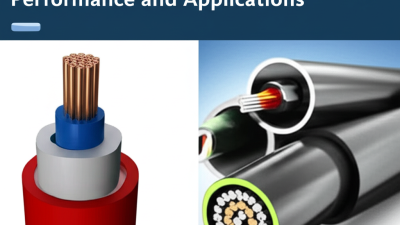
XLPE cable insulation means cross-linked polyethylene used around a conductor. During production, polyethylene molecules are chemically linked into a stable three-dimensional structure. This changes the material from a soft thermoplastic into a heat-resistant thermoset insulation.
It is not magic. XLPE handles continuous conductor temperatures near 90°C, while short-circuit limits depend on cable design and applicable standards. Its low dielectric loss supports efficient power transmission over long routes. The insulation also resists many chemicals and absorbs little moisture. However, the cable jacket, screen, and water-blocking layers still matter. XLPE alone cannot protect every installation from water ingress or mechanical damage.
In practical cable inspection, surface cleanliness is critical. Tiny contaminants or voids can create electrical stress and accelerate insulation failure. Reliable production therefore requires controlled extrusion, proper curing, dimensional checks, and routine voltage testing. Type-test reports should match the actual cable construction, not just a similar model. Traceability for raw materials and production batches also improves confidence.
When evaluating a China-based XLPE cable insulation supplier, ask for test records, factory process details, and clear compliance with the required standard. Field conditions deserve equal attention. Soil temperature, bending radius, installation depth, and joint quality can change performance significantly. It is easy to call XLPE maintenance-free, but that claim is too broad. Even well-made insulation can fail when installation practices are careless.
XLPE insulation strongly affects a power cable’s service life, safety, and efficiency. In field inspections, damaged insulation often appears as cracks, moisture paths, or heat marks near joints. These details matter because small defects can grow under continuous electrical stress. XLPE withstands higher operating temperatures than many traditional materials. It also offers strong dielectric performance and lower power losses during transmission.
Good insulation must remain stable under heat, pressure, and changing weather. XLPE cables can operate at elevated conductor temperatures when properly designed and installed. Their cross-linked structure helps resist deformation during overload conditions. It also limits moisture penetration when combined with suitable screens and outer sheaths. Testing should include insulation resistance, partial discharge, dimensional checks, and thermal aging assessments.
Do not trust specifications alone. A reliable supplier should explain material grades, production controls, and test methods clearly. Factory audits and traceable batch records add practical confidence. However, XLPE is not a perfect solution. Poor stripping, sharp bending, or careless joint installation can still cause early failure. That is where many projects become vulnerable. Engineers should review the cable design against load cycles, soil temperature, installation depth, and local standards. A strong supplier supports this review with measurable data, not vague promises.
Choosing a Chinese XLPE cable supplier requires more than comparing prices. The IEA Electricity 2024 report forecasts global electricity demand to grow by an average of 3.4% annually through 2026. This growth increases pressure on cable quality, delivery, and traceability. Ask for factory audit records, production capacity, and recent test reports before discussing discounts.
Technical compliance should be visible. For medium-voltage products, request evidence aligned with IEC 60502-1. Higher-voltage projects may require IEC 60840 or IEC 62067 testing. Confirm conductor material, insulation thickness, water-blocking design, and ageing performance. A reliable supplier should provide partial-discharge results, tensile data, elongation data, and thermal-cycle records. Do not accept a generic certificate.
Factory experience matters.
Review at least three comparable projects, including voltage level, installation environment, and cable length. Visit the extrusion line if possible. Look for clean material storage, calibrated instruments, sealed compound containers, and documented process controls. ISO 9001 certification supports consistency, but it does not replace product testing. The IEC is clear about test requirements; certificates alone prove little.
Commercial reliability also deserves attention. Check copper sourcing, delivery buffers, packaging design, and after-sales response times. The UN Comtrade database can help compare trade patterns, while independent inspection reduces shipment risk. A low quotation may be attractive. It may also conceal weaker compounds or incomplete testing. I would examine the technical file twice, because one overlooked detail in Xlpe Cable Insulation can become a costly field failure.
| Evaluation Dimension | Recommended Benchmark | Why It Matters | Documents or Tests to Request | Suggested Weight |
|---|---|---|---|---|
| Applicable Cable Standard | IEC 60502-1 for low-voltage power cables or IEC 60502-2 for medium-voltage cables, according to the project voltage level. | Confirms that cable construction, electrical performance, and routine testing match the intended application. | Technical datasheet, standard declaration, type-test report, and routine-test records. | 15% |
| XLPE Insulation Material | Thermosetting cross-linked polyethylene with a normal conductor operating temperature of up to 90°C under the applicable cable standard. | The insulation system affects continuous ampacity, dielectric strength, aging resistance, and service reliability. | Material specification, compound identification, thermal-aging data, and insulation-resistance results. | 15% |
| Conductor Quality | Annealed copper or aluminium conductor complying with the selected standard; conductor resistance must remain within the applicable limits at 20°C. | Conductor resistance directly influences voltage drop, power losses, operating temperature, and energy efficiency. | Conductor material certificate, cross-sectional-area report, resistance test, and stranding details. | 12% |
| Voltage and Size Range | The supplier should offer the required conductor sizes, number of cores, insulation thicknesses, and rated voltage for the project. | Correct sizing is essential for load capacity, voltage-drop control, installation space, and compatibility with accessories. | Cable construction drawing, dimensional data, ampacity table, and voltage-drop calculation. | 10% |
| Routine and Type Testing | Testing should cover conductor resistance, voltage withstand, insulation resistance, dimensional checks, and any project-specific type tests. | Independent or witnessed testing reduces the risk of hidden manufacturing defects and non-conforming batches. | Recent test reports, calibrated-equipment records, inspection and test plan, and sample inspection results. | 14% |
| Fire and Environmental Performance | Select flame-retardant, low-smoke, halogen-free, water-resistant, or UV-resistant construction only where required by the installation environment. | Building type, tunnel installation, outdoor exposure, moisture, and emergency requirements can require additional cable performance. | Flame, smoke, halogen, water-penetration, UV, and low-temperature test reports where applicable. | 10% |
| Quality Management System | A documented quality-management system, preferably certified to ISO 9001 by an accredited certification body. | A controlled system supports traceability, corrective action, process consistency, and repeatable product quality. | Valid certificate, audit records, process-control plan, nonconformance procedure, and calibration certificates. | 8% |
| Production Traceability | Each production batch should be traceable to raw materials, operators, test results, manufacturing date, and cable drum identification. | Traceability makes investigation, warranty handling, and project documentation more efficient. | Batch records, drum labels, material certificates, test certificates, and sampling procedure. | 6% |
| Delivery and Packaging | Cable drums should be suitable for transport and storage, clearly marked, sealed where appropriate, and protected against mechanical and moisture damage. | Poor handling or unsuitable packaging can damage the sheath, deform the cable, or complicate installation. | Packing specification, drum schedule, delivery plan, loading photographs, and inspection checklist. | 5% |
| Technical Support and Warranty | Clear warranty terms, defined response times, installation guidance, and technical support throughout procurement and commissioning. | Reliable support helps resolve specification, installation, and performance issues without avoidable project delays. | Warranty document, service-level agreement, installation manual, escalation process, and reference project records. | 5% |
| Total Suggested Evaluation Weight | 100% | |||
Note: Final cable construction and testing requirements should be confirmed against the project specification, applicable national regulations, installation conditions, and the selected cable standard.
Comparing Xlpe Cable insulation suppliers in China requires more than checking price lists. Start with technical evidence. Ask for test reports covering tensile strength, elongation, hot-set performance, aging, and electrical resistance. Confirm the testing laboratory and report dates. Old reports may not represent current production.
Visit the factory, physically or through a live video audit. Observe compound storage, moisture control, extrusion lines, and batch labeling. A reliable supplier should explain how each Xlpe Cable batch is traced from raw material to finished delivery. Request production samples from different dates, not only a carefully selected sample. Small details matter, including clean packaging and consistent pellet color.
In my experience, response quality often reveals production discipline. Ask clear questions about lead time, minimum order quantity, rejected batches, and corrective actions. Technical staff should discuss conductor temperature, insulation thickness, and application conditions without hiding behind general promises.
I once focused too heavily on a low quotation and overlooked weak documentation. That was my mistake.
Compare the total risk, not only the kilogram price. Check whether the supplier can provide trial support, inspection records, and stable communication during changes. A written specification should define test methods, tolerances, packing, and acceptance criteria before payment. Even then, keep reviewing performance after delivery. Supplier comparison is never completely finished.
Understanding the Xlpe Cable Meaning helps buyers judge insulation quality beyond appearance. XLPE means cross-linked polyethylene, designed for strong electrical, thermal, and mechanical performance. A reliable supplier should follow applicable standards, such as IEC 60502-1, IEC 60840, or IEC 62067. The correct standard depends on voltage level and installation conditions.
Testing should begin with conductor resistance, insulation thickness, and dimensional checks. Electrical tests may include insulation resistance, partial discharge, and AC withstand testing. Thermal aging tests examine whether insulation remains stable during long service periods. Factory records should show batch numbers, calibrated equipment, test dates, and responsible inspectors. During practical inspections, clean cable surfaces and consistent insulation thickness often reveal process control. Yet appearance alone proves very little.
Request routine and type-test reports before approval. Check sampling methods carefully. Ask how failed samples are handled. Confirm that test equipment remains calibrated. Do not accept copied documents without traceable records. A useful quality review also includes bending trials, sheath inspection, and storage-condition checks. Small details matter. Some evaluations remain imperfect because field conditions differ from laboratory settings. That limitation deserves honest discussion, not polished promises.
China Best XLPE Cable Insulation Supplier?
A capable supplier should control every production stage, not only sell an Xlpe Power Cable. Experienced teams inspect conductor preparation, insulation extrusion, curing, and final testing. Modern lines monitor insulation thickness and concentricity during production. Small deviations matter. They can create hot spots under continuous load. Reliable suppliers also keep batch records, test samples, and material certificates for each order.
Customization should begin with your operating conditions. Discuss voltage level, conductor size, sheath material, installation temperature, bending space, and expected service life. A technical engineer can recommend insulation thickness and suitable screening designs. For unusual projects, trial samples and aging tests can reveal weaknesses before shipment. This process is not always perfect. A rushed specification may still cause costly changes later. Clear drawings and written approval reduce that risk.
Tips: Ask for routine test reports, production photos, and traceability records. Confirm whether technical staff can review cable calculations before manufacturing. During inspection, check drum markings, cable length, surface quality, and packing protection. After delivery, useful support includes installation guidance, storage advice, and prompt answers to site questions. Good support feels practical, not promotional.
Choosing between 600V aluminum alloy and copper Service Entrance Cable depends on installation conditions, electrical demand, budget, and termination requirements. Aluminum alloy conductors are lighter and generally more economical, making them practical for longer service runs and larger conductor sizes. Copper offers higher conductivity in a more compact conductor and is often selected where space is limited or where installers prefer its familiar termination characteristics. In either case, connectors and lugs must be rated for the conductor material, and all terminations should be properly prepared and tightened.
Concentric cable is designed for the electrical service entrance between the distribution network and the meter panel. Its concentric construction can help support controlled, secure metering arrangements and reduce unauthorized connection risks. The cable is suitable for both dry and wet environments, including outdoor installation and direct burial when the installation follows applicable cable and site requirements. With a 600V rating and an operating temperature of up to 90°C, it can serve residential, commercial, and utility-related applications where dependable service-entry performance is required.
For projects prioritizing lower weight and cost, aluminum alloy may be the more practical choice, provided that compatible hardware and careful installation are used. Copper may be preferable when conductor compactness, conductivity, or limited routing space is more important. Voltage rating, ampacity, insulation type, environmental exposure, burial depth, and local electrical requirements should all be checked before selecting the final cable configuration.
: XLPE means cross-linked polyethylene. It supports strong electrical, thermal, and mechanical performance. Appearance cannot confirm its quality.
Applicable standards may include IEC 60502-1, IEC 60840, or IEC 62067. The correct choice depends on voltage and installation conditions.
Common tests include conductor resistance, insulation thickness, dimensional checks, and insulation resistance. Partial discharge and AC withstand tests may also apply.
Thermal aging tests examine insulation stability during long service periods. They can reveal weaknesses hidden during short inspections. Laboratory results are not perfect.
Request batch numbers, test dates, calibrated equipment details, and inspector information. Test reports should be traceable to specific cable samples.
No. Clean surfaces and even insulation thickness suggest process control. They do not prove electrical performance, aging resistance, or construction accuracy.
Provide voltage level, conductor size, sheath material, installation temperature, and bending space. Expected service life also matters. Missing details create risk.
Check drum markings, cable length, surface quality, insulation thickness, and packing protection. Review sampling methods and failed-sample handling. Small details matter.
Xlpe Cable Insulation is a cross-linked polyethylene material widely used in power cables because it offers strong electrical insulation, excellent heat resistance, good mechanical durability, and reliable performance in demanding environments. Its stable structure helps cables carry power efficiently while reducing the risk of insulation failure caused by temperature, moisture, or electrical stress. Selecting the right Chinese supplier requires more than comparing prices; buyers should evaluate raw material control, manufacturing experience, quality management, production capacity, delivery reliability, and technical service.
A dependable supplier should provide cables that meet recognized international and industry standards through documented testing, including insulation thickness, voltage resistance, partial discharge, thermal aging, and mechanical performance checks. It is also important to assess customization options, such as conductor design, voltage ratings, cable size, sheath materials, and application-specific requirements. Suppliers with strong engineering support can assist with product selection, installation guidance, troubleshooting, and project coordination, helping customers achieve safe, durable, and cost-effective power cable solutions.