In today’s ever-changing market, getting a good handle on Mv Cables Specificationsis slam-dunk if you're a global buyer in 2026. Uh, just ask John Smith—yeah, the guy from Global Energy Solutions, who’s kind of a big deal—he highlights that “the quality of Mv Cables Specifications really decides how dependable your power distribution is.” So, yeah, picking the right cables that meet all the technical specs isn’t just a small thing—it’s pretty much everything.
The world of MV cables isn’t exactly boring—it’s got all sorts of variations to suit different needs. And honestly, navigating this maze can be kinda overwhelming for buyers. Every single spec, from insulation materials to conductor types and temperature ratings, impacts how well the cables perform and how long they last. If you want things to run smoothly and safely, sticking to high standards is a must. So, it pays to check out the ins and outs: the materials used, the ratings, all that technical stuff.
That said, not all manufacturers play it straight. Some might throw around claims that are a bit, uh, suspect. That’s why it’s super important to do your homework and maybe even chat with industry pros—guys who really know their stuff. Basically, understanding Mv Cables Specifications isn’t just about impressing yourself—it’s about making smarter decisions and nailing your project success. Trust me, a little extra effort here can really pay off in the long run.
Overview of MV Cables and Their Importance in the Global Market
Medium voltage (MV) cables are critical in modern electrical systems. They facilitate the distribution of electricity from substations to various facilities. In recent years, their role has expanded due to the growing demand for reliable networking solutions. MV cables must be robust enough to withstand environmental challenges while maintaining efficiency.
Various specifications exist for MV cables. These include voltage rating, insulation type, and conductor materials. A well-designed MV cable ensures safety and longevity. However, not all cables meet the same standards. Buyers need to be vigilant, as subpar cables can lead to serious failures and outages. This highlights the importance of selecting the correct specifications for specific applications.
As the global market grows, the demand for high-quality MV cables increases. Different regions may have varying standards and regulations. Some manufacturers may not comply with these, leading to quality discrepancies. Thus, it is crucial for buyers to conduct thorough research. Consideration of local conditions, application needs, and safety standards can guide informed decisions.
Key Specifications for Medium Voltage Cables: A Comprehensive Guide
When selecting medium voltage (MV) cables, understanding key specifications is crucial for ensuring reliability and efficiency. MV cables typically operate at voltages ranging from 1 kV to 35 kV. These cables must withstand environmental factors, making proper insulation materials essential. Cross-linked polyethylene (XLPE) and ethylene propylene rubber (EPR) are commonly used for their durability in harsh conditions.
The conductor's material also plays a vital role. Copper is preferred for its excellent conductivity, but aluminum is often used due to its lightweight nature and cost-effectiveness. The choice depends on specific project requirements. It’s essential to consider the installation environment, as factors like moisture, temperature, and mechanical stress can impact the cable's long-term performance.
We often overlook details, like the need for appropriate cable termination and jointing techniques. Poor installation can lead to failures. An experienced installer can help mitigate such risks. It's also important to stay updated with international standards that govern MV cables. Compliance ensures safety and reliability, which are non-negotiable, especially for Overhead Electric Cables. Understanding these specifications allows buyers to make informed decisions and achieve optimal outcomes in their projects.
Industry Standards and Compliance for MV Cables in 2026
In 2026, the standards for medium voltage (MV) cables will evolve significantly. Industry reports indicate a growing emphasis on compliance with safety and performance benchmarks. These benchmarks ensure that cables can withstand environmental stresses and electric loads. IEC 60502 and IEEE 841 are pivotal standards guiding manufacturers in the production of durable and efficient MV cables.
Material specifications are also crucial. For instance, cross-linked polyethylene (XLPE) is gaining traction due to its excellent thermal properties and resistance to aging. According to a recent market analysis, the demand for polymers in cable insulation is projected to rise by 7% annually through 2026. This shift underlines the industry's commitment to enhancing longevity and reliability.
However, the challenges remain. Variability in regional standards may lead to compliance issues for global manufacturers. Additionally, the integration of innovative materials raises questions about sustainability and cost-effectiveness. Understanding these complexities is vital for stakeholders aiming to navigate the evolving landscape of MV cable specifications. Investing in research and development is essential for fostering advancements while maintaining compliance with international regulations.
Material Considerations for MV Cables: Conductors and Insulation Types
Material choice in medium voltage (MV) cables is crucial for performance and safety. Conductors typically use copper or aluminum. Copper offers lower resistance, which is ideal in high-load applications. Aluminum is lighter and often more cost-effective yet less conductive. Each material has its strengths and weaknesses. Buyers must weigh these aspects based on their specific needs and budget.
Insulation types play a key role in cable longevity. Polyvinyl chloride (PVC) is common, known for its flexibility and resistance to chemical exposure. Cross-linked polyethylene (XLPE) provides superior thermal stability. It handles higher temperatures better than PVC, which can be a deciding factor for some applications. Understanding these materials helps in selecting the best MV cables.
While the specifications seem clear, they carry complexities. Not all manufacturers adhere to the same standards. Variability can result in performance differences, which makes due diligence essential. Buyers should consider not only the technical specs but also manufacturer credentials. Familiarity with the complexities of "Standard Wires And Cables" ensures better decision-making. The quest for the best MV cable is not just about materials, but the entire context of application.
Trends in Technology and Innovation for MV Cable Manufacturing
The MV cable manufacturing sector is undergoing significant technological advancements. Innovations in materials are being introduced to enhance durability and efficiency. Recent reports show that the demand for high-performance MV cables is increasing globally. This shift is driven by the growing emphasis on renewable energy sources and smart grid technologies.
In 2026, industry experts predict that the use of advanced polymer materials will dominate. These materials offer improved electrical performance while reducing environmental impact. Manufacturers are adopting Iec Power Cables that comply with international standards, ensuring reliability and safety in electrical distribution.
However, there are challenges to consider. The complexity of modern manufacturing processes can lead to inconsistencies. These inconsistencies pose risks in products that may fail to meet performance expectations. Keeping pace with rapid technological changes requires continuous investment in R&D. The integration of digital technologies, such as IoT and AI, represents both an opportunity and a challenge for manufacturers. Addressing these issues will be crucial for meeting the evolving needs of global buyers.
MV Cable Specifications Trends for Global Buyers 2026
Regional Variations in MV Cable Specifications: A Global Perspective
Regional variations in MV cable specifications profoundly affect global markets. Different regions have unique needs and standards. For instance, North America often prioritizes durability and safety, while Europe emphasizes environmental concerns and sustainability. In contrast, developing regions may focus on cost-effectiveness, leading to variations in materials used.
The impact of local regulations is significant. Each region's rule, electrical standards, and climatic conditions shape specifications. High humidity areas require cables that withstand moisture. This necessitates the use of specific insulation techniques. Understanding these differences helps manufacturers serve their clients better.
Challenges arise in creating uniformity across regions. Market demands often conflict, pushing producers to balance between quality and cost. Stakeholders need to address these complexities. Awareness of local practices is crucial, especially for those new to the industry. This is where knowledge of House Wiring Cables becomes essential. A clear understanding of these factors can ensure better compliance and customer satisfaction.
Future Outlook for MV Cables and Emerging Market Opportunities
The future of medium voltage (MV) cables is poised for significant growth, driven by the increasing demand for renewable energy sources and energy efficiency. According to a recent market analysis, the MV cable market is projected to reach $20 billion by 2026. This growth stems from the rising need for reliable power distribution systems in developing nations, where infrastructure investments are on the rise. Emerging markets, particularly in Asia and Africa, present lucrative opportunities for manufacturers and suppliers.
Additionally, the push for sustainable energy solutions plays a crucial role. As governments invest in green technologies, MV cables become essential for connecting renewable energy plants to the grid. Data from industry experts indicates that the shift towards smart grid technologies will demand enhanced specifications for MV cables. This includes improved durability and higher thermal performance. However, market entry can be challenging. Companies must navigate varying regional standards and regulations.
Investors should also be aware of potential gaps in the supply chain. Material shortages and fluctuating prices can impact production timelines. Addressing these challenges requires innovative strategies and a robust understanding of market dynamics. Continuous research and development are vital for meeting future specifications and maintaining a competitive edge.
Best MV Cables Specifications for Global Buyers 2026
| Specification | Value | Unit |
| Voltage Rating | 1.1/3 kV | kV |
| Cable Type | XLPE Insulated | - |
| Conductor Material | Copper | - |
| Armoring | Steel Wire | - |
| Operating Temperature | 90 | °C |
| Screening | Copper Wire Screen | - |
| Cable Length | 100 | m |
Exploring the Benefits and Applications of ICEA Standard Three Cores EPR Insulated Cables MV105 in Modern Electrical Systems
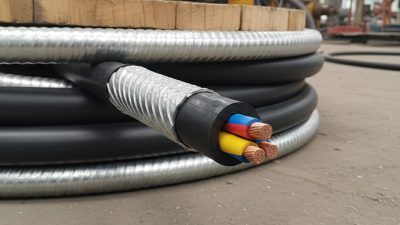
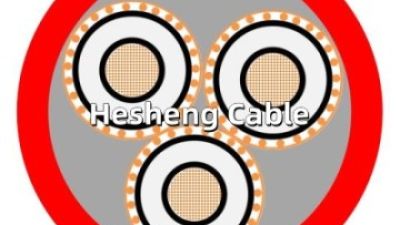
The ICEA Standard Three Cores EPR Insulated Cables MV105 are pivotal in modern electrical systems, offering reliable solutions for distributing electrical power across a range of applications. Operating efficiently at voltages between 5KV and 46KV, these cables cater to the demands of various industrial and commercial environments while maintaining a frequency of 50Hz. Their robust construction features copper or aluminum wire conductors, which are enveloped in a triple-layer insulating system, ensuring optimal performance and safety.
One of the standout attributes of these cables is their versatile metallic shield designs, which include options such as copper tape, copper wire, concentric neutral, corrugated copper tape, and metal sheath. These shielding options not only enhance durability and protect against external electromagnetic interference but also improve grounding capabilities. This makes the ICEA standard three core cables an excellent choice for complex electrical installations, where reliability and efficiency are paramount. As electrical systems continue to evolve with innovative technologies, the use of such advanced cabling solutions will play a critical role in sustaining energy distribution and ensuring performance integrity.
FAQS
: Medium voltage cables are usually used for voltages ranging from 1 kV to 35 kV in various electrical applications.
Cross-linked polyethylene (XLPE) and ethylene propylene rubber (EPR) are popular for their durability and reliability in harsh conditions.
The conductor's material, like copper or aluminum, affects the cable's conductivity and performance in different applications.
Factors like moisture, temperature, and mechanical stress can significantly influence the long-term performance of medium voltage cables.
Poor installation, including incorrect cable termination, can lead to failures and increased risks for electrical systems.
Buyers must evaluate materials, environmental conditions, and installation requirements to make informed and effective choices.
Different regions have unique needs and regulations, influencing material choices and performance standards for MV cables.
Manufacturers struggle to balance quality and cost due to varied market demands and regional regulatory differences.
Understanding local standards and practices can enhance compliance and improve customer satisfaction in diverse markets.
Conclusion
The article titled "Best MV Cables Specifications for Global Buyers 2026" provides an insightful overview of medium voltage (MV) cables, emphasizing their critical role in the global market. It delves into the key MV cables specifications, offering a comprehensive guide to help buyers navigate their options effectively. The discussion highlights industry standards and compliance requirements expected in 2026, ensuring that manufacturers and suppliers meet safety and performance benchmarks.
Additionally, the piece addresses material considerations, including various types of conductors and insulation, which are essential for optimal cable performance. It explores current trends in technology and innovation within the MV cable manufacturing sector and outlines regional specifications that reflect diverse global needs. Finally, the article presents a future outlook, identifying emerging market opportunities in the MV cables arena, reinforcing the importance of understanding MV cables specifications to unlock these potentials.