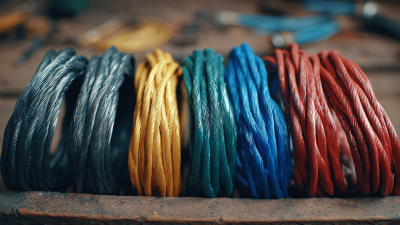
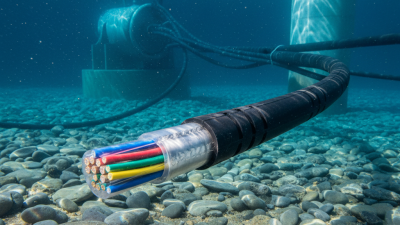
Picking the right welding cable is actually pretty important if you're serious about your welding projects. A good quality cable not only keeps things safe but also makes your work way more efficient. When choosing one, you wanna think about things like insulation, how flexible it is, and how much current it can handle.
Honestly, using cheap or low-quality cables can be risky—you're playing with electrical hazards, and honestly, it’s easy to overlook these small details when you're focused on the bigger picture. But trust me, having the right Welding Cable can really boost your performance and make everything go smoother.
Investing in a top-notch welding cable might seem like an extra expense at first, but in the long run, it’s totally worth it. It cuts down on downtime, keeps things flowing, and just makes your workflow way easier. Just remember to go for cables that meet the industry standards for safety and reliability—it's all about keeping your projects running without a hitch. Basically, choose wisely, and your welding game will thank you for it!
Importance of Selecting Appropriate Welding Cable for Project Efficiency
Selecting the appropriate welding cable is crucial for project efficiency. Different welding processes require specific cable types to optimize performance. According to the American Welding Society, approximately 30% of welding failures can be traced back to improper equipment, including substandard cables. A correct selection can prevent costly downtime and enhance overall productivity.
Welding cables must be capable of handling high currents while maintaining flexibility. A cable with inadequate current rating can cause overheating, leading to insulation failure. The International Electrotechnical Commission guidelines recommend using cables that can handle at least 20% above the maximum expected load. This ensures durability and efficiency over time.
The right cable can also improve safety. Faulty cables can introduce hazards like electrical shocks or fires. However, many users overlook the importance of insulation types. Different environments demand specific insulation materials to resist heat, oil, and abrasion. A report from the Welding Technology Institute reveals that 15% of electrical incidents arise from improper insulation in welding setups. So pay attention to the details; they matter significantly in welding projects.
Understanding Welding Cable Specifications and Ratings
Choosing the right welding cable can significantly impact project outcomes. Understanding welding cable specifications is crucial. Key specifications include cable size, insulation type, and ampacity ratings. The size affects the cable's ability to carry current safely. According to the American Welding Society, selecting the appropriate cable size can enhance efficiency and safety.
Insulation type is equally important. Different insulation materials can withstand various environmental conditions. For example, thermoplastic and thermoset insulated cables offer distinct advantages. A reliable welding cable must endure heat, abrasion, and even chemical exposure. Evaluating these factors helps ensure safety and performance.
When selecting welding cables, refer to the
Welding Cable Size Chart for guidance. This chart provides a detailed breakdown of various sizes and their corresponding ampacity ratings. Consider the project's specific requirements when making your choice. You may find that larger cables handle higher currents, but they can be less flexible.
Assess your workspace, too. A cluttered area may demand more protective insulation. Sometimes, shortcomings in cable quality may pose risks. Regular inspections and testing will help identify any hidden flaws, mitigating potential hazards.
Key Factors Influencing Welding Cable Selection: Amperage and Voltage
When selecting welding cables, amperage and voltage are crucial factors. Amperage affects the heat generated during welding. According to industry standards, cables must be rated for at least 125% of the maximum current in a circuit. This ensures safe operation and prevents overheating. For example, if a welder operates at 200 amps, a cable rated for at least 250 amps should be used.
Voltage is another important consideration. Different welding processes demand specific voltage levels. If a cable is not suited for the voltage, it can lead to inconsistent performance. Reports show that insufficient voltage can result in poor arc stability. This instability can create defects in the weld, which may compromise the integrity of the project. Inadequate voltage can also strain equipment, leading to costly repairs.
Selecting the right cable isn't always straightforward. Many projects have unique requirements. Some may need flexibility, while others prioritize durability. It's essential to match cable characteristics with application needs. Poor choices can create inefficiencies and risks. Understanding the balance of amperage and voltage can enhance welding outcomes and improve overall safety.
Welding Cable Selection - Amperage vs. Voltage
Comparison of Welding Cable Types: Copper vs. Aluminum Conductivity
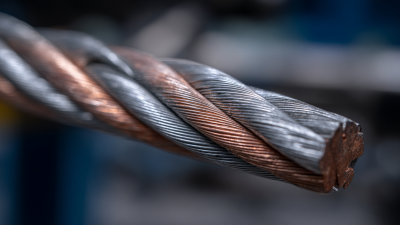
When choosing welding cables for your projects, understanding the difference between copper and aluminum is crucial. Copper cables are known for their superior conductivity. They transmit electrical current more efficiently, which can lead to better welding performance. On the other hand, aluminum cables are lighter and often more cost-effective. However, their conductivity is lower, which can sometimes result in greater energy loss during operation.
Welding cable types each have pros and cons. Copper cables have a higher tensile strength and are less prone to breakage. This durability can be essential in heavy-duty applications where reliability is key. In contrast, aluminum cables, while more flexible and less expensive, may not perform as well under extreme conditions. They require careful handling to avoid damage. The choice depends on specific project requirements, including budget constraints and performance needs.
Using the right welding cable, such as Xlpe Cable, can significantly influence the outcome of welding projects. It is important to evaluate the specific tasks. Conductivity should be a primary consideration, but also think about factors like weight and flexibility. Balancing these aspects can be challenging, and it highlights the importance of making informed decisions. Reflecting on this can lead to better project results and enhanced welding experiences.
Industry Standards for Welding Cable: NEC and AWS Guidelines
Choosing the right welding cable is crucial for ensuring safety and efficiency in your welding projects. The National Electric Code (NEC) and the American Welding Society (AWS) provide guidelines that are essential for understanding industry standards. These documents outline the requirements for cable types, thickness, and insulation. Adhering to these standards can prevent accidents and equipment damage.
NEC guidelines emphasize the importance of proper cable sizing based on the amperage it will carry. This ensures minimal voltage drop and heat buildup. AWS guidelines focus on selecting materials that can withstand extreme conditions. This includes resistance to heat, abrasion, and moisture. Ignoring these specifications can lead to failures during operation.
Yet, many professionals overlook these standards, thinking they can cut costs. This practice often results in unreliable performance. It's vital to evaluate your welding tasks carefully. Selecting a high-quality welding cable not only enhances safety but also improves results. Proper education on NEC and AWS suggestions can guide you in making informed choices. This will ultimately lead to better project outcomes and reduced risks.
Impact of Cable Length on Performance and Safety in Welding
The length of your welding cable plays a crucial role in performance and safety. When cables are too long, resistance increases. This leads to a significant voltage drop. Lower voltage might cause poor arc stability during welding. A weak arc can result in uneven bead formation and unsatisfactory weld quality.
Using the right cable can mitigate these issues. The Four Core Cable is designed to provide optimal conductivity. It ensures that you maintain a steady voltage throughout your project. A shorter cable is often safer. Long cables pose risks like accidental trips or tangling. Always assess your workspace before selecting cable length.
Consider environmental factors as well. Extreme temperatures can impact cable performance. If a long cable is necessary, look for higher gauge cables. Reflect on the balance between flexibility and performance. Your choice affects both the quality of your weld and your safety. Choosing wisely can prevent unnecessary hazards.
Cost-Benefit Analysis of Quality Welding Cables in Long-Term Use
When considering welding projects, the choice of welding cable significantly impacts performance. Low-quality cables may seem cost-effective initially, but they can lead to higher long-term costs. Research from the International Institute of Welding indicates that using high-quality cables can save up to 30% in energy consumption over time. This efficiency is crucial in industrial settings where every watt matters.
Additionally, inferior cables often result in frequent replacements due to wear and tear. Reports show that projects using premium welding cables can have a lifespan that extends by 40% compared to budget options. This durability minimizes downtime and maintenance costs. While high-quality cables may require a higher upfront investment, their reliability often outweighs the initial savings associated with cheaper alternatives.
Nonetheless, it’s essential to assess the specific needs of your projects. In some cases, project requirements may not warrant top-tier materials. Evaluating the balance between quality and purpose can lead to better financial decisions. This reflection on choices helps in optimizing resources without compromising safety or efficiency.
FAQS
: Choosing the right welding cable is key for project efficiency and safety. It prevents issues like overheating and faulty performance.
If a cable has an inadequate current rating, it may overheat. This can lead to insulation failure and project delays.
Cables should handle at least 20% above the expected maximum load. This ensures durability and efficiency during operations.
Faulty cables can cause electrical shocks or fires. Proper insulation types are crucial to prevent such hazards.
NEC and AWS guidelines ensure safety and efficiency. They provide crucial information on cable types, thickness, and insulation.
Long cables increase resistance, leading to voltage drops. This results in poor arc stability and unsatisfactory weld quality.
Using shorter cables is safer. If you must use a long cable, choose higher gauge options to reduce risks.
Extreme temperatures can affect cable performance. Evaluating workspace conditions can help in selecting the best cable type.
Some believe cutting costs on cables is acceptable, resulting in unreliable performance and increased risks during projects.
A shorter cable reduces risks like trips and tangling. It can also maintain better arc stability during welding operations.
Conclusion
Choosing the right welding cable is crucial for achieving project efficiency and safety. The specifications and ratings of welding cables, including amperage and voltage, play a significant role in their performance. Understanding the differences between copper and aluminum conductivity can help determine the best option for specific welding needs. Additionally, adherence to industry standards, such as the NEC and AWS guidelines, ensures compliance and reliability.
The length of welding cables also impacts their performance, influencing current delivery and overall safety during welding operations. A cost-benefit analysis highlights the importance of investing in quality welding cables for long-term use, emphasizing that upfront costs may lead to significant savings and improved performance over time. Selecting the appropriate welding cable ultimately enhances the effectiveness of welding projects while prioritizing safety and compliance.