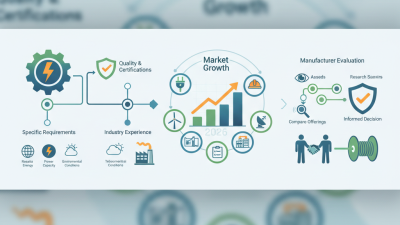
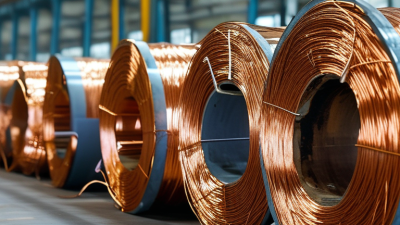
Picking the right professional cable manufacturer is super important if you want top-quality cables for different industries. Did you know? According to IBISWorld, the cable manufacturing business in the U.S. rakes in over $20 billion every year. That really drives home how crucial it is to partner up with someone you can trust. A good manufacturer doesn’t just give you solid products — they also follow strict safety standards and get all the necessary certifications, which is especially critical for fields like construction and telecom.
When you’re checking out potential suppliers, don’t just stop at their experience or fancy credentials. It pays to look for actual know-how, especially with specific cables like Welding Cable. If a company has a solid track record with Welding Cables, chances are they really get the ins and outs of the materials and how they’re used. But you know, don’t just take their word for it — it’s worth digging into reviews and feedback from their past clients. Sometimes, a manufacturer might seem great on paper but fall short in quality control, which can lead to inconsistent results.
And a quick heads-up: watch out for companies that offer prices that are way too good to be true. Sure, everyone wants a deal, but if the price is significantly lower than the competition, it might mean you're sacrificing quality or that they might skip proper testing. Do your homework—talk to industry folks, read reviews, and make sure that the manufacturer you choose really matches your specific needs. That way, you’re more likely to get cables that perform well and keep things safe.
Understanding the Importance of Quality in Cable Manufacturing
Quality plays a crucial role in cable manufacturing. A cable’s performance and safety depend heavily on the materials and processes used in its production. High-quality cables can withstand harsh conditions, ensuring longevity and reliability. Poorly made cables, on the other hand, can lead to serious failures and accidents. They can compromise equipment and pose safety risks. Therefore, manufacturers must prioritize quality at every production stage.
Understanding the intricacies of material selection is essential. For instance, copper and aluminum are common choices. Their conductivity impacts overall performance. Additionally, insulation materials must withstand environmental stresses. However, even the best designs can fail if quality control is lacking. It's important to reflect on past mistakes. Manufacturers should learn from defects to improve future productions.
Choosing the right manufacturer requires careful consideration. Look for companies that implement rigorous testing and quality assurance protocols. Certifications and industry standards can indicate reliability. Engage in discussions about their manufacturing processes. This can reveal their commitment to quality. An experienced manufacturer should be willing to share knowledge and address concerns. By prioritizing quality, businesses can make informed decisions that enhance safety and performance.
Key Factors to Consider When Choosing a Cable Manufacturer
When choosing a cable manufacturer, there are several key factors to consider. Quality is paramount. According to industry reports, over 30% of electrical failures stem from substandard cables. Therefore, focusing on manufacturers who adhere to international quality standards is crucial. Look for ISO 9001 certification, which indicates a commitment to quality management. This ensures that the Xlpe Cable produced meets rigorous testing benchmarks.
Another important factor is the manufacturer's experience in the industry. A manufacturer with a rich history is likely to offer reliable products. Data shows that companies with more than a decade in the field often maintain better product consistency. Evaluate their portfolio. A diverse range of Xlpe Cable types indicates versatility, allowing them to cater to specific project needs.
Customer support also deserves attention. Manufacturers that provide comprehensive support, including installation guidance and troubleshooting, foster a productive partnership. Reviews and testimonials can reveal the level of support other customers have received. Inconsistent feedback might signal potential issues, so it is essential to dig deeper before making a decision. The right manufacturer can significantly impact the performance and safety of your installations, making careful selection vital.
Evaluating Manufacturer’s Experience and Reputation in the Industry
Evaluating a cable manufacturer’s experience and reputation is crucial for ensuring quality. Look for companies that have been in the industry for several years. Experience often translates to a deeper understanding of materials and production techniques. A manufacturer with a long history is more likely to have a proven track record of reliability and innovation.
Researching a manufacturer’s reputation can also provide insights into their reliability. Online reviews and testimonials can give you a glimpse into customer satisfaction. Look for specific feedback regarding product performance and durability. Manufacturers with consistent praise tend to prioritize quality. Additionally, engaging with industry forums can help you gauge their standing among peers.
It's also essential to reflect on the lack of standardized benchmarks in the industry. Not every manufacturer openly shares their testing processes or certifications. Some may present an impressive façade, while others might be more transparent but lack strong credentials. This discrepancy can lead to difficulty in making an informed decision. Always be cautious and seek multiple sources of information before committing to a manufacturer.
Assessing the Range of Products and Services Offered
When selecting a professional cable manufacturer, it's vital to assess the range of products and services they offer. A comprehensive portfolio often indicates a manufacturer’s capability to meet diverse projects. The global wire and cable market was valued at over $200 billion in 2023, with a projected growth rate of 5% annually. This statistic emphasizes the importance of high-quality cables, such as Solar Cable, in numerous applications.
It’s essential to consider whether the manufacturer provides specialized options. Look for products that cater to specific needs like temperature resistance, durability, or flexibility. A manufacturer that offers a variety of cable types showcases their understanding of industry demands. Not all manufacturers will provide specialized Solar Cable solutions, which are critical for renewable energy applications.
Choosing a manufacturer also requires evaluating their support services. Do they provide installation assistance? Is technical support readily available? These factors can significantly impact the total project efficiency. Consider visiting production facilities, if possible. This gives insight into their quality control practices.
Evaluate the certifications of the products as well. Compliance with international standards often signals quality assurance. Check if the manufacturer adheres to ISO standards. A manufacturer with verified certifications can provide reliable products, reducing the risk of failure in the field. Always seek to understand their warranty policies.
How to Choose a Professional Cable Manufacturer for Best Quality?
| Product Type | Material Used | Custom Solutions | Quality Certifications | Lead Time |
| Power Cables | Copper, Aluminum | Yes | ISO 9001, UL | 4-6 weeks |
| Data Cables | Copper, Fiber Optic | No | RoHS, CE | 3-5 weeks |
| Industrial Cables | PVC, XLPE | Yes | ISO 14001, CSA | 5-7 weeks |
| Automotive Cables | TPE, PVC | Yes | IATF 16949 | 6-8 weeks |
Quality Assurance Practices and Certifications to Look For
When selecting a professional cable manufacturer, quality assurance is essential. Industry reports indicate that over 70% of product failures arise from poor quality control. It’s crucial to inquire about the certifications a manufacturer holds. Look for ISO 9001 certification, which ensures a quality management system is in place. This demonstrates a commitment to maintaining high standards of quality.
Additionally, manufacturers should adhere to safety regulations such as UL (Underwriters Laboratories) and CE (Conformité Européenne) certifications. These certifications signal compliance with safety and performance standards. A reliable manufacturer often conducts regular testing on raw materials and finished products. Reports suggest that companies with strict quality assurance processes have significantly fewer recalls, promoting trust among their customers.
Four Core Cable emphasizes that transparency during the manufacturing process is key. Ask about their testing methodologies and frequency. Regular audits by third-party organizations can provide additional assurance. Quality checks should not be a one-time process but an ongoing commitment. Consider manufacturers that actively seek feedback and continuously improve their practices.
Analyzing Customer Reviews and Testimonials for Insights
When selecting a professional cable manufacturer, analyzing customer reviews and testimonials is crucial. These insights can help you understand the quality of products, such as Instrumentation Cables, offered by different manufacturers. Customers often share their real experiences, highlighting both positive and negative aspects. This feedback can provide a clearer picture of the manufacturer’s reliability and service quality.
Look for reviews that delve into specific products. Focus on comments discussing durability and performance. For Instrumentation Cables, users may point out how well the cables handle various environments. Positive testimonials about resistance to environmental factors can be a good sign. Conversely, negative remarks regarding customer service or product lifespan may indicate potential red flags.
Trustworthiness is key in any manufacturing decision. Reviews from verified buyers tend to be more reliable. Consider platforms that offer detailed user feedback. Engage with discussions about the manufacturer's response to issues. This engagement can reveal how seriously they prioritize customer satisfaction. Always remember, while reviews provide valuable insights, it's essential to analyze them critically. Discrepancies in reviews might prompt deeper investigation, ensuring you choose a manufacturer that aligns with your quality expectations.
Customer Satisfaction Ratings for Cable Manufacturers
Comparing Pricing and Support Services Among Manufacturers
When selecting a professional cable manufacturer, it’s crucial to analyze pricing and support services. A recent industry report indicates that pricing can vary by as much as 30% among similar manufacturers. This divergence often reflects differences in the materials used, manufacturing processes, and quality assurance measures. Therefore, while seeking competitive prices is important, it should not overshadow the need for high-quality products.
Support services play a significant role as well. According to a survey conducted by a leading industry consortium, around 75% of manufacturers with strong support services received higher satisfaction ratings. Quick response times and knowledgeable customer service representatives can make a significant difference. However, many manufacturers often fall short in this area. It’s not uncommon to encounter long wait times or vague answers to technical questions. An attentive approach to support can enhance your overall experience and may prevent future issues.
Invest time in assessing both pricing and support when choosing a cable manufacturer. Understand that the lowest price doesn't always equate to the best quality, and robust support is vital for long-term satisfaction. Balancing these factors requires careful consideration but can lead to better overall outcomes.
FAQS
: Quality is essential. A significant percentage of electrical failures are linked to substandard cables.
A long history in the industry often leads to better product consistency and reliability.
A diverse range of cable types shows versatility and the ability to meet specific project needs.
Comprehensive support is vital. Reviews may reveal insights about their responsiveness and reliability.
Certifications like ISO 9001 indicate quality management and adherence to international standards.
A wide range of products can meet diverse project requirements, especially specialized needs like temperature resistance.
Yes, visiting can provide insight into their quality control practices and overall capabilities.
Installation assistance and technical support can significantly enhance project efficiency and reduce issues.
Look for compliance with international standards and review warranty policies offered by the manufacturer.
Yes, specialized options like solar cables are crucial for performance in renewable energy projects.
Conclusion
Choosing a professional cable manufacturer is crucial for ensuring high-quality products that perform reliably and safely. The importance of quality in cable manufacturing cannot be overstated, as it directly impacts performance and longevity. When selecting a manufacturer, consider key factors such as their experience and reputation within the industry, which can provide insights into their reliability and expertise.
Additionally, assess the range of products and services they offer to ensure they meet your specific needs. It's vital to look for quality assurance practices and certifications that demonstrate a commitment to maintaining high standards. Analyzing customer reviews and testimonials can also provide valuable insights into the manufacturer’s performance and customer service. Lastly, comparing pricing and support services among different manufacturers will help you find the best value for your investment, ensuring you partner with a professional cable manufacturer that aligns with your expectations.