Picking the right Household Wire for global sourcing isn’t just about comparing prices. It’s a safety, performance, and documentation call, too. The International Energy Agency’s Electricity 2024 report expects global electricity demand to grow by around 3.2% a year through 2026. That growth means more need for reliable residential wiring—but it also puts more pressure on sourcing. When you're buying wire or cable, don't just grab whatever's cheapest. Take a minute to check the conductor material, how good the insulation is, the voltage rating, temperature limits, and where it's actually going to be installed.
Two suppliers might sell copper wire that looks pretty much the same at first glance. But look closer, and things like resistance, strand flexibility, and insulation thickness can vary a lot. If you're dealing with flexible cords, standards like IEC 60227 and IEC 60245 are worth checking. Over in North America, buyers might ask for UL 62, UL 83, or CSA certification—it just depends on the type of product. And the U.S. Department of Energy also stresses electrical efficiency and choosing safe equipment for homes. Standards are definitely useful, sure — but they don’t replace actually verifying your suppliers. You still have to do that.
Honestly, a practical sourcing process should cover factory audits, certificate checks, sample testing, and batch-level inspection. Ask for conductor resistance results, flame-retardance data, tensile strength, and aging performance. And make sure the certificate actually covers the exact construction—not just a similar model. That's a detail people miss all the time. I've seen nice-looking reels hide inconsistent copper quality or vague labeling. Of course, no checklist is perfect. That said, you can cut down on a lot of expensive surprises by mixing a technical review with supplier history, traceable reports, and a controlled pre-shipment inspection. This guide shows you how to compare Household Wire suppliers with more confidence—while keeping in mind that the cheapest quote may not actually deliver the lowest total cost.
Define Household Wire Types and Their Typical Applications
Household wire is not one universal product. Its construction determines where it can work safely.
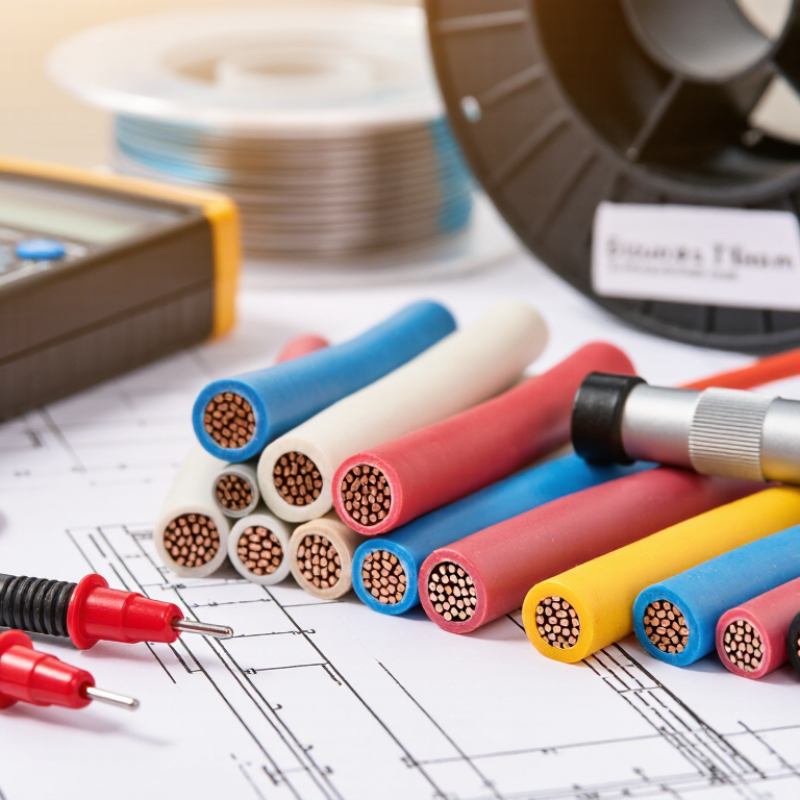
Solid-core wire uses one rigid conductor and suits permanent installations. Electricians commonly use it inside walls, junction boxes, lighting circuits, and socket outlets. It holds its shape well, but repeated bending can damage it.
Stranded wire contains several smaller conductors. It handles movement better and is useful inside distribution panels or equipment connections.
Flexible cords use finely stranded conductors with softer insulation. They serve table lamps, kitchen appliances, vacuum cleaners, and portable tools. Keep them away from fixed-wall applications unless local rules allow it.
Wire selection depends on more than conductor size.
Check the required voltage, current capacity, insulation temperature, moisture resistance, and installation method. Copper conductors are common for household circuits, while aluminum may need special terminals and installation practices. Twin-core, three-core, and earth-containing designs support different circuit functions. Their naming varies between markets, so confirm the technical meaning with the supplier.
In practical sourcing checks, I request cross-sectional measurements, insulation test results, batch identification, and samples for bending tests.
A printed gauge is not enough. I once treated it as sufficient evidence; it was not.
Ask whether the wire suits indoor walls, humid rooms, outdoor exposure, or appliance movement. Certification requirements also differ by destination. A cable accepted in one market may need different markings, testing, or fire performance elsewhere.
Match Wire Size and Current Capacity to the Intended Use
How to Choose the Right Household Wire for Global Sourcing?
Match Wire Size and Current Capacity to the Intended Use
Choosing household wire globally starts with the appliance, not the supplier’s catalog. List voltage, load current, distance, installation method, and ambient temperature. A kitchen circuit carrying a 2,000-watt kettle needs different capacity from a bedside lamp. Measure the route carefully. Longer runs create voltage drop, especially when wire is undersized. Use conductor cross-sectional area, such as 1.5 mm² or 2.5 mm², and compare its allowable ampacity with local requirements.
Copper usually offers stable conductivity and easy termination, while aluminum requires compatible terminals and careful installation. Insulation also matters. PVC may suit ordinary indoor routes, but heat, moisture, sunlight, or moving equipment can demand another insulation type. For a 3 Phase Electric Wire system, check phase arrangement, neutral needs, protective earth, and the total balanced load. Do not select a cable only because its outside diameter looks substantial. A thick sheath can hide a small conductor.
When sourcing internationally, request test reports, conductor resistance, temperature ratings, and clear size markings. Confirm whether stated current capacity applies to open air, conduit, bundled cables, or high-temperature conditions. Those details can change the practical rating. I have seen purchasing teams compare price before checking voltage drop. That shortcut caused rework and wasted cable. A sizing table is useful, but it cannot replace a qualified electrician or destination-country requirements. Leave room for uncertainty. Test samples before placing a large order.
Check Voltage Ratings, Insulation Materials, and Temperature Limits
When sourcing household wire globally, voltage rating is the first specification I verify. A cable marked for 300/500 V may be unsuitable for equipment exposed to higher transients. Match the wire rating to the installation, not merely the appliance label. For a Three Phase Wire assembly, confirm phase-to-phase and phase-to-ground requirements separately. Regional documentation can be confusing. Request test reports, conductor size, and a clearly printed rating on the insulation. In supplier audits, I compare the printed marking with the certificate and packing list. Small mismatches often signal weak quality control.
Insulation material affects flexibility, moisture resistance, and service life. PVC works for many indoor applications, while rubber or silicone may perform better near moving parts or heat sources. Check the rated temperature range, such as -20°C to 70°C, rather than guessing from appearance. A wire inside a crowded cabinet can experience higher temperatures than the room around it. Heat accumulates there. I once focused too heavily on voltage and overlooked continuous heat exposure; that was a useful warning. Confirm whether the temperature limit applies to the conductor, insulation, or complete cable assembly. Also inspect samples after bending and stripping. Cracks, sticky surfaces, or exposed strands deserve immediate questions before any large purchase.
How to Choose the Right Household Wire for Global Sourcing?
Compare representative voltage ratings and maximum conductor operating temperatures by insulation type.
PVC-insulated wires are commonly selected for standard household circuits, while XLPE and EPR provide higher continuous conductor-temperature limits. Silicone insulation is suitable for high-temperature applications but may have a lower voltage rating depending on construction. Actual ratings vary by cable design, installation method, national code, and product standard; verify the supplier’s datasheet before purchasing.
Compare Regional Standards, Certifications, and Safety Requirements
How to Choose the Right Household Wire for Global Sourcing?
Regional compliance is not interchangeable. In Europe, suppliers commonly reference IEC 60227 and EN 50525 for PVC-insulated household wires. Products may also require Low Voltage Directive conformity, RoHS compliance, and construction-related fire classification. North American projects follow different rules, including NEC requirements, AWG sizing, temperature ratings, and certified flame-performance markings. Australia, New Zealand, and China apply their own national standards. A familiar cable can still fail local inspection.
Safety data makes this comparison practical. NFPA’s analysis for 2012–2016 estimated 35,150 annual U.S. home fires involving electrical distribution and lighting equipment. These fires caused about 470 civilian deaths and 1,100 injuries. Small details matter. Check conductor class, insulation temperature, voltage rating, bending radius, smoke behavior, and test evidence. The IEA Electricity 2024 report expects global electricity demand to grow by 3.2% annually from 2024 to 2026. Higher loads can expose weak thermal margins.
Ask suppliers for complete test reports, traceable production batches, and certificates matching the destination market. Do not rely on a CE mark alone. It may indicate conformity, not independent product certification. Factory audits should verify copper resistance, insulation thickness, spark testing, and marking accuracy. I have seen specifications miss one detail: the installation environment. That mistake deserves a second review.
Evaluate Conductor Materials, Flexibility, and Installation Conditions
Choosing Home Electrical Wire for global sourcing starts with conductor material, not price. Copper offers high conductivity and stable connections. Aluminum weighs less and can reduce shipping costs. Yet it needs compatible terminals and careful torque control. Stranded conductors bend easily around a small junction box. Solid conductors hold shape during fixed installation. Both can work. The application decides.
Check the load, route, and surrounding temperature before comparing quotations. A kitchen circuit may face heat, moisture, and frequent appliance use. A cable inside a crowded conduit may need better heat resistance. Measure the bend radius near outlets and distribution panels. Tight bends can damage insulation or loosen terminals. I have seen a wire pass a basic continuity test, then fail after repeated flexing. That detail is easy to miss. Ask suppliers for conductor class, cross-sectional area, insulation rating, and test records. Do not rely on outer diameter alone.
Flexibility must match installation conditions. Fine-stranded wire suits moving connections, but its terminals require suitable lugs or ferrules. Rigid wire may install faster in straight runs. For damp areas, confirm the insulation and jacket are rated for exposure. For long runs, calculate voltage drop rather than copying a familiar size. Sampling matters too. Inspect copper surface, strand count, printing clarity, and reel length. Independent laboratory reports add confidence, although paperwork can still contain mistakes. Request a sample, bend it by hand, strip a section, and compare the actual conductor with the datasheet. A small discrepancy deserves a second review.
Assess Supplier Quality, Testing Records, Packaging, and Total Cost
How to Choose the Right Household Wire for Global Sourcing?
Supplier quality should be checked beyond a polished catalog. Request factory process records, incoming material controls, and recent inspection reports. A reliable supplier can explain conductor material, insulation composition, and production tolerances clearly. Ask for sample reels before placing a large order. Examine the copper surface, jacket finish, printing, and cut length. Small inconsistencies often reveal weak process control.
Testing records deserve careful review. Look for conductor resistance, insulation thickness, voltage withstand, and flexibility test results. Flexible Wire should survive repeated bending without cracks or exposed conductors. Confirm the test method, sample size, date, and laboratory identity. A report without traceable details is only paperwork. Requirements may differ by destination, so technical documents must match the intended market. I would not accept copied certificates without verification. That shortcut is tempting.
Packaging protects the product during long transport. Check reel strength, edge protection, moisture barriers, labels, and measured length. Labels should show size, construction, batch number, and production date. Calculate total cost, not only the unit price. Include testing, tooling, packaging upgrades, freight, duties, rejected goods, and delivery delays. A cheaper wire can become expensive after one failed shipment. My own judgment would still need review when forecasts are uncertain. Demand changes. Freight rates change. Good sourcing leaves room for both evidence and correction.
THHN/PVC Multicore 600V Electrical Wire: Features, Applications, and Selection Guide
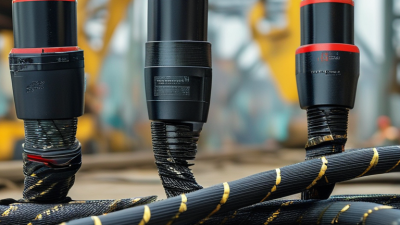
THHN/PVC multicore 600V electrical wire is designed for demanding installations that require dependable insulation, heat resistance, and mechanical durability. Its PVC insulation helps protect the conductors from moisture and abrasion, while the nylon jacket provides an additional layer of resistance to impact, pressure, and surface wear. Depending on the construction, the wire may be suitable for high-temperature environments and applications where limited space makes multiple conductors more convenient than separate single-core cables.
This type of multicore wire is commonly used in industrial control panels, machinery, commercial buildings, conduit systems, and power distribution circuits. It can support connections for motors, lighting, control equipment, and other fixed electrical systems when installed according to the applicable electrical code. The multi-core design simplifies routing and can reduce installation time, but proper separation, termination, and bending practices remain important to prevent conductor damage.
When selecting a cable, check the voltage rating, conductor size, number of cores, temperature rating, insulation material, and installation environment. Choose copper conductors when high conductivity and reliable terminal connections are priorities, and confirm that the outer diameter fits the intended conduit or cable tray. For locations exposed to high heat, pressure, vibration, or frequent movement, select a construction with stronger mechanical protection and verify compatibility with the terminals, glands, and protective devices used in the system.
FAQS
Start with voltage, current, route length, installation method, and ambient temperature. A 2,000-watt kettle needs more capacity than a bedside lamp. Measure carefully.
Long runs increase voltage drop, especially with undersized conductors. Calculate the drop instead of copying a familiar wire size. Small errors can cause rework.
No. A thick sheath may hide a small conductor. Check the actual cross-sectional area, such as 1.5 mm² or 2.5 mm².
Match the cable rating to the installation and expected transients. Check phase-to-phase and phase-to-ground requirements in three-phase systems. Printed markings must match certificates.
PVC often suits ordinary indoor routes. Rubber or silicone may work better near heat, moisture, or moving equipment. Choose by conditions, not appearance.
Check the complete temperature range, such as -20°C to 70°C. Crowded cabinets retain heat. Confirm whether the limit applies to the conductor, insulation, or cable assembly.
Copper offers stable conductivity and easy termination. Aluminum weighs less but requires compatible terminals and careful torque control. The installation decides.
Stranded conductors suit moving connections and tight junction boxes. Solid conductors suit fixed, straight routes. Fine strands may need suitable lugs or ferrules.
Request test reports, conductor resistance, size markings, temperature ratings, and reel lengths. Test a sample by bending and stripping it. Paperwork can still be wrong.
Buyers sometimes compare price before checking voltage drop or installation conditions. I made that mistake once. It caused wasted cable and avoidable rework.
Conclusion
Choosing the right Household Wire for global sourcing requires more than comparing prices. Begin by identifying the wire type and its intended application, then match the conductor size and current capacity to the expected electrical load. Review voltage ratings, insulation materials, temperature limits, and environmental conditions to ensure reliable performance. Regional standards and certification requirements should also be confirmed before placing an order, as compliance expectations may differ between markets.
Conductor material, flexibility, and installation conditions are equally important. Copper and other approved materials may offer different balances of conductivity, durability, and cost, while flexible or rigid designs suit different installation methods. A dependable supplier should provide clear specifications, consistent quality controls, testing records, suitable packaging, and traceable production information. Finally, evaluate the total cost, including shipping, protection during transport, compliance checks, and potential replacement risks. A careful, application-focused assessment helps buyers select safe, efficient, and practical Household Wire for international projects.