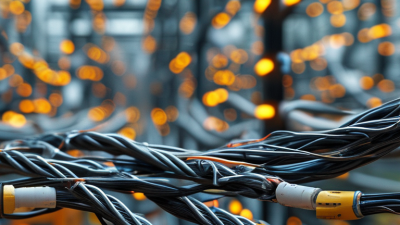
In today’s rapidly evolving tech world, having a solid Low Voltage Cable Management setup is more important than ever. As companies grow and bring in new gadgets and systems, cable chaos can quickly become a real headache. If you don’t stay on top of it, sloppy cable handling can not only slow things down but also pose safety risks. That’s where good techniques and the right tools really come into play.
Honestly, a lot of organizations tend to overlook just how crucial a thoughtful, organized approach really is. Common mistakes? Using the wrong types of cables, or not labeling them properly — which can turn into a total nightmare when it’s time to troubleshoot or do maintenance. It can end up costing a ton of time and money. So, putting effort into proper cable management isn’t just about looking neat; it actually helps smooth out operations.
Trust me, investing a little time to keep your cables neat pays off big time. Not only does it make things look way better, but it also boosts reliability. And don’t forget to do regular check-ups on your cable setup. Sometimes, issues sneak in that you might not notice at first glance — and catching those early can prevent bigger problems down the road. Thinking proactively about cable management isn’t just smart — it makes the workplace safer and more efficient overall.
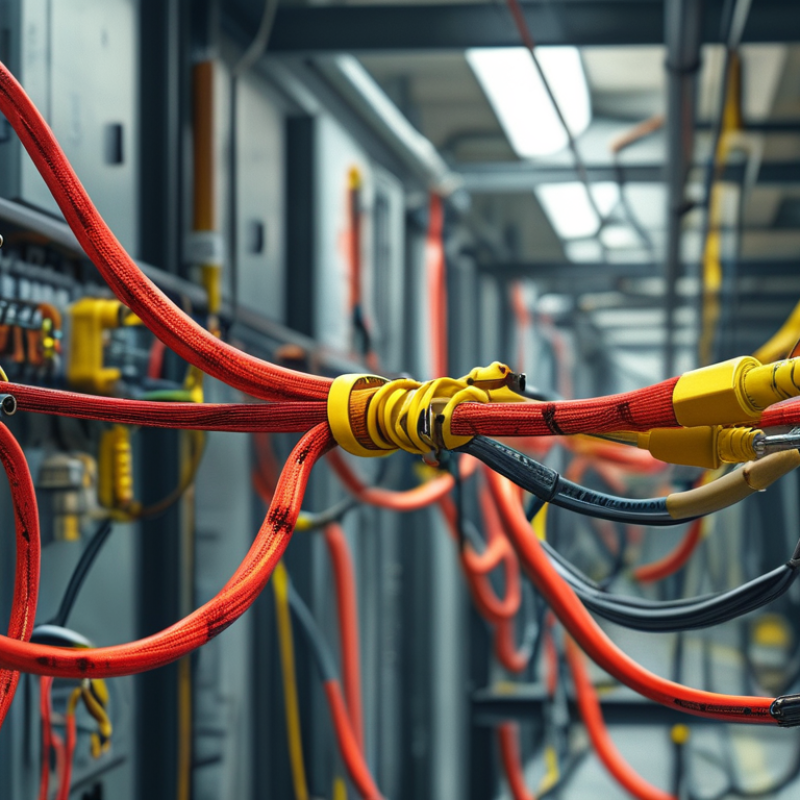
Understanding Low Voltage Cable Management: Importance and Best Practices
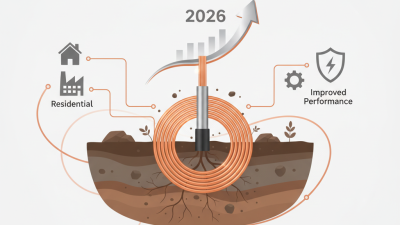
Effective Low Voltage Cable Management is crucial in today's technology-driven landscape. Poor cable management can lead to increased downtime and maintenance costs. Research indicates that up to 30% of equipment failures stem from untidy cable configurations. This underscores the importance of organized systems in managingLow Voltage Underground Cable installations.
Implementing best practices can significantly improve efficiency. For instance, using labeled cable trays enhances visibility and accessibility. According to industry reports, proper labeling can reduce troubleshooting time by up to 50%. Additionally, ensuring cables are secured and bundled properly prevents tangling and potential damage. This proactive approach not only safeguards your Low Voltage Underground Cable but also enhances the overall aesthetics of the installation environment.
Regular audits and assessments of cable management systems can reveal areas for improvement. Experts suggest that teams should review their setups quarterly. This reflection can uncover inefficient layouts and facilitate timely upgrades. Investing time in this process can lead to substantial long-term savings and operational resilience. Each cable arrangement should strive for a balance between functionality and neatness, promoting a culture of organized efficiency in any business.
Key Factors Influencing the Efficiency of Cable Management Systems
Efficient cable management is critical for the reliability and safety of low voltage systems. Key factors influencing these systems include organization, accessibility, and protective measures. Proper organization minimizes clutter and eases maintenance. According to a report by the International Electrotechnical Commission, a well-organized cable system can reduce service interruptions by up to 30%.
Accessibility ensures quick interventions in case of faults. Research indicates that systems lacking proper labeling increase troubleshooting time by over 50%. Ensuring that Low Voltage Power Cables are easily identifiable can significantly enhance operational efficiency.
Protective measures are vital in extending the lifespan of low voltage cables. Exposure to environmental factors can lead to degradation. In environments prone to moisture or heat, using appropriate sheathing and conduits is essential. Regular inspections and maintenance play a significant role here. Investing in a cable management system can be a proactive approach, reducing potential long-term costs associated with failures. Despite these benefits, many installations still overlook these essential factors. This gap often leads to inefficiencies that could be easily addressed with better practices.
Industry Standards and Regulations for Low Voltage Cable Management
Low voltage cable management is essential in maintaining an organized and efficient infrastructure. Adhering to industry standards and regulations ensures safety and enhances performance. Organizations should familiarize themselves with local codes, such as NEC and IEC standards. Compliance is vital for protecting equipment and personnel.
Implementing effective cable management strategies fosters an organized workspace. Use proper labeling for identification. This helps in troubleshooting and maintenance. Ensure cables are routed away from high-traffic areas. This minimizes the risk of damage and enhances longevity.
Regular inspections are necessary. Look for signs of wear or potential hazards. Inadequate management can lead to tangled cables and increased downtime. Prioritize using quality materials. They are essential for a reliable setup. By following these principles, you can create a safer and more efficient low voltage cabling environment.
Essential Tools and Materials for Effective Cable Organization
Effective cable organization is crucial in any electrical setup, especially for Low Voltage Lighting Cable. A recent study found that improper cable management can lead to system failures and increased maintenance costs. Utilizing the right tools and materials is essential for a durable and functional installation.
Start with high-quality cable ties. They provide stability and help maintain an organized look. Velcro ties are reusable and can adapt to changes, making them a versatile choice. Additionally, meticulous labeling of each Low Voltage Lighting Cable can prevent confusion. A simple label maker can save time and reduce mistakes.
Cable trays and raceways are vital for larger installations. They protect cables from damage and make maintenance easier. However, it’s easy to overcrowd these spaces, so regular checks are necessary. A clear plan before installation can prevent the chaos of tangled wires later. Investing in tools and materials designed for cable management ensures a professional finish and longevity for your electrical systems.
Techniques to Minimize Cable Clutter in Commercial Installations
Low voltage cable management plays a crucial role in reducing clutter in commercial installations. According to an industry report, nearly 80% of network downtime can be traced back to poor cable management practices. This highlights the need for effective solutions. Using cable trays and raceways can streamline cable runs. These solutions help in organizing cables, ensuring easy access for maintenance, and minimizing the risk of tangling.
Labeling is another essential technique. Properly labeled cables enable quick identification, saving time and reducing frustration during troubleshooting. Research suggests that mislabeled cables can lead to errors costing businesses thousands of dollars annually. Additionally, using velcro ties instead of plastic zip ties can enhance flexibility. Velcro ties are reusable and adjustable. They allow for easy cable management changes without the need for cutting and replacing ties.
Cluttered cables are not just an aesthetic issue; they can pose safety hazards. Poorly managed cables can lead to tripping incidents or equipment damage. Implementing a simple, systematic approach can drastically improve safety and efficiency. Regular reviews of cable arrangements also ensure that they remain effective and compliant with industry standards. Rethinking current systems may reveal opportunities for improvement and increased reliability.
Preventive Maintenance for Enhancing the Longevity of Cable Systems
Preventive maintenance is vital for enhancing the longevity of low voltage cable systems. Regular inspections can identify potential issues before they grow into serious problems. For example, check connections for signs of wear or corrosion. It's essential to address these minor defects to avoid significant outages down the road. Additionally, keep cables organized and labeled properly. This practice makes maintenance tasks easier, reducing the risk of mistakes during repairs.
Protection from environmental factors is another important aspect. Using appropriate conduits can shield cables from moisture and physical damage. Ensure the cables, like the 12 Gauge Low Voltage Wire, are routed away from high-heat areas. Cables should be secured to avoid friction or abrasion. Over time, this preventive approach can save significant costs in replacements and repairs.
Another area often overlooked is documentation. Keep accurate records of maintenance activities. These documents provide insights into patterns that may arise over time. They can also guide future maintenance schedules. By actively engaging in preventive strategies, systems remain functional and efficient, contributing to overall sustainability. Continuous reflection on these practices can lead to further improvements, ensuring that your cable systems perform optimally for years to come.
Case Studies: Successful Low Voltage Cable Management Implementations
Effective low voltage cable management is crucial for maintaining a functional and efficient workspace. One case study highlights a tech company that faced issues with cable clutter. Cables were tangled, leading to safety hazards and reduced efficiency. They implemented a systematic labeling system. Each cable was marked clearly, and staff were trained to follow this system. This simple step significantly improved organization.
Another example comes from an educational institution. They faced challenges with outdated cable management practices. Their solution involved installing vertical cable managers and organizing pathways for the cables. The presence of these dedicated pathways eliminated the risk of interference between different systems. However, they noted that continuous monitoring is essential. Over time, cables can shift, leading to potential hazards if not addressed regularly.
These case studies demonstrate that while great strides can be made in cable management, constant vigilance is necessary. The initial changes brought positive outcomes, yet ongoing training and assessments are needed for long-term success. This evolution highlights the balance between initial implementation and sustained management efforts.
Essential Guide to BS7835 11 KV LSZH Medium Voltage Cables: Features, Applications, and Benefits
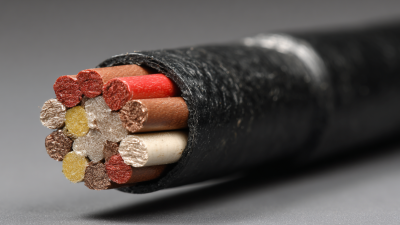
The BS7835 11 KV LSZH medium voltage cables are designed to meet the specific needs of power networks while ensuring safety in environments prone to fire, smoke, or toxic fumes. These cables offer superior features that make them ideal for underground and outdoor installations, where their robust construction and low smoke zero halogen (LSZH) properties provide both reliability and safety. According to industry reports, the demand for LSZH cables is increasing significantly due to stricter regulations regarding fire safety in public and commercial buildings, reinforcing the importance of these cables in modern infrastructure.
In addition to their safety features, BS7835 cables are highly versatile, capable of being installed in ducts and conduits, making them suitable for various applications. They facilitate the distribution of power across expansive networks and are particularly valuable in urban environments where space is limited and the risk of hazardous conditions is prevalent. Furthermore, the cables’ design allows for effective heat dissipation and minimizes the risk of electrical failure, which is crucial in maintaining continuous power supply and enhancing the overall efficiency of power systems.
The benefits of using BS7835 LSZH cables extend beyond safety and functionality. Their durability ensures low maintenance costs over time, and their performance characteristics align with industry standards, thereby increasing the lifespan of electrical installations. As organizations continue to prioritize safety and efficiency in their operations, the relevance of BS7835 11 KV LSZH medium voltage cables in the landscape of power distribution systems cannot be overstated.
FAQS
: Efficient cable management ensures the reliability and safety of low voltage systems. A well-organized system can reduce service interruptions.
Proper organization minimizes clutter and eases maintenance. It can significantly enhance operational efficiency and reduce troubleshooting time.
Accessibility allows for quick interventions during faults. Poor labeling can increase troubleshooting time by over 50%.
Regular inspections catch potential issues early, such as wear or corrosion, avoiding significant outages in the future.
Use appropriate conduits to protect cables from moisture and heat. Regular maintenance is crucial to prevent degradation.
Keeping accurate maintenance records helps identify patterns and guide future maintenance schedules. Documentation is often overlooked.
A tech company improved organization by implementing a systematic labeling system, reducing clutter and safety hazards effectively.
Cables can shift over time, leading to hazards. Ongoing training and regular assessments are essential for long-term safety.
Inefficiencies often arise, which can lead to potential hazards and increased costs in replacements and repairs.
Many installations overlook proper organization and labeling, which can significantly impact the efficiency and safety of systems.
Conclusion
Effective Low Voltage Cable Management is crucial for optimizing the performance and longevity of cable systems. This article outlines the importance of implementing best practices, such as understanding key factors that influence the efficiency of cable management systems, and adhering to industry standards and regulations.
Additionally, it highlights essential tools and materials required for effective cable organization and provides techniques to minimize cable clutter in commercial installations. Preventive maintenance strategies are also discussed to enhance the durability of cable systems. The article concludes with case studies that showcase successful implementations of Low Voltage Cable Management, offering valuable insights for professionals in the field.