Getting a solid grasp on what the IEC cable actually means is pretty important, especially for industries in China. Experts often highlight just how crucial this is. Take John Smith, for example — he's a top electrical engineer over at Global Wire Solutions. He once said, "IEC cables are basically the backbone of safe and efficient electrical setups," which really underscores how vital they are.
IEC cables are made to meet tough international standards, so you can count on them being reliable. In China, the demand for good quality cables is really picking up. More and more companies are investing in IEC-compliant products, which is great. But, surprisingly, a lot still don’t pay close enough attention to the specific requirements — and that can cause real issues like inefficiencies or, worse, safety hazards.
Manufacturers really need to step up their game in understanding IEC cable specs. Skimping on knowledge can lead to poor decisions, and that’s something no one wants. It’s not just about ticking boxes for compliance — it’s about running things smoothly and safely. As the industry keeps evolving, so should our understanding of what IEC cables really mean. Keeping up with these changes is key if you want to stay ahead in the game.
What Is IEC Cable? A Definition and Overview
IEC cables are vital in modern electrical systems. This type of cable adheres to the International Electrotechnical Commission's standards. These standards ensure safety, performance, and reliability across various applications. In China, IEC cables are increasingly significant due to rapid industrial growth. They support infrastructure, construction, and manufacturing sectors.
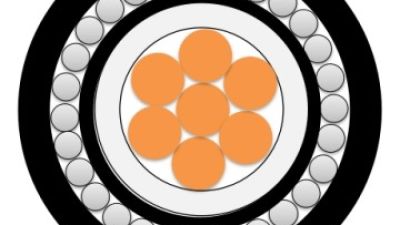
What sets IEC cables apart is their structured design. They usually consist of multiple conductors, which enhance flexibility. Additionally, these cables are constructed from materials that resist environmental factors. This ensures longevity and performance in various conditions. The importance of these cables is often overlooked. Many might not realize the risks associated with using low-standard cables in critical applications.
Organizations looking to invest in IEC technology should also consider local standards. Understanding the nuances of regulations in different regions, including China, can be challenging. Yet, it’s crucial for compliance and operational success. Overall, the importance of IEC cables cannot be overstated. They play a key role in building a safer and more efficient electrical infrastructure.
Historical Development of IEC Cable Standards in China
IEC cables play a vital role in various industries in China. Understanding their historical development offers insights into their importance. IEC, or International Electrotechnical Commission, established standards that enhance safety and performance in electrical installations. In China, the adoption of IEC standards began in the late 20th century. This adoption was crucial for aligning with global practices.
Over the years, the standards have evolved. Initially, they focused on basic safety requirements. However, as technology advanced, so did the complexity of the standards. Modern IEC cables now support high-speed data transfer. This evolution reflects the growing demand for reliable electrical solutions in China’s industrial sector.
Tips: Always check for the latest IEC standards. Compliance ensures safety and efficiency. Be mindful of the specific requirements for your project. Understanding the nuances in standards can prevent costly mistakes. Engaging with experienced professionals in the field can further enhance your projects.
Key Specifications and Types of IEC Cables
IEC cables play a crucial role in electrical systems across China. Understanding the key specifications and types of these cables is essential for professionals in the industry. They ensure safety and efficiency in electrical installations, powering various applications, from residential buildings to industrial equipment.
Types of IEC cables vary widely. Common specifications include Xlpe Cable Meaning, which relates to cross-linked polyethylene insulation. This type offers excellent thermal resistance and longevity. It's often chosen for its durability in challenging environments. Other types include PVC-insulated cables that provide flexibility and good chemical resistance.
Each type serves specific purposes. For instance, some are designed for low-voltage applications, while others handle high-voltage systems. Choosing the right cable can be complex. It requires careful consideration of the installation environment, electrical load, and regulatory standards. Ensuring compliance and safety is paramount, as mistakes can lead to costly failures or hazards.
Importance of IEC Cables in Industrial Applications
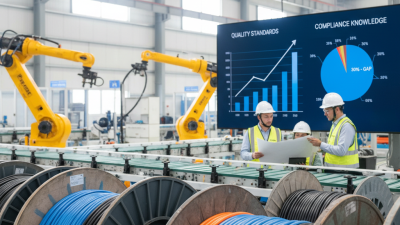
In the industrial sector, IEC cables play a crucial role in ensuring seamless operations. These cables adhere to Iec Cable Standards, which emphasize safety and efficiency. According to a recent industry report, nearly 45% of machinery failures stem from improper cabling. This highlights the significance of using IEC-compliant cables to prevent such costly downtimes.
Moreover, IEC cables are known for their resilience in harsh environments. They can withstand extreme temperatures and mechanical stress, making them ideal for manufacturing plants and construction sites. Data shows that the use of high-quality IEC cables increases machinery lifespan by up to 30%. However, many facilities still overlook this aspect, leading to potential safety hazards and increased maintenance costs.
The top-performing industries in China, like automotive and electronics, have adopted IEC standards extensively. This shift reflects a growing awareness of the importance of reliable cabling solutions. Yet, issues such as price sensitivityand lack of knowledge about Iec Cable Standards persist. Bridging this gap can enhance productivity and safety across various sectors in China.
Safety Standards and Regulations for IEC Cables in China
In China, safety standards for IEC cables are critical for ensuring electrical safety. These cables must comply with stringent regulations to mitigate risks. Poorly constructed cables can lead to electrical fires or other hazards. Thus, manufacturers should pay close attention to the materials and insulation used in their products.
Testing is vital to meet IEC standards. Cables undergo various assessments before reaching the market. These checks often include temperature, flexibility, and load-bearing capacity tests. Compliance isn’t just about passing these tests. Continuous improvement in manufacturing processes is necessary.
However, challenges persist. Some manufacturers may cut corners to reduce costs. This can result in subpar products that do not adhere to safety regulations. Regular audits and updates to standards can help combat these issues. Awareness of compliance will guide consumers toward safer choices. Emphasizing training for workers involved in cable production can also uplift safety standards.
The Role of IEC Cables in Renewable Energy Projects
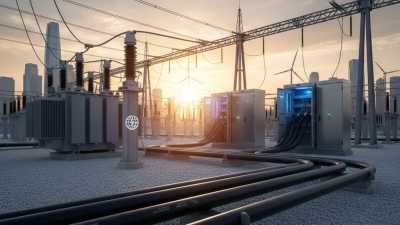
IEC cables play a significant role in renewable energy projects. These cables are essential for transmitting power generated from renewable sources like solar and wind. In China, the rapid growth of renewable energy calls for reliable and efficient electrical connections. According to a report by the International Energy Agency, China is expected to lead global investments in renewables, reaching over $400 billion by 2025.
Iec Power Cables ensure the safe and effective management of energy. They are designed to handle high voltage and maintain performance in various environmental conditions. As renewable energy projects grow, the demand for high-quality IEC cables increases. However, issues persist regarding installation practices and compliance with international standards. Many projects face delays due to inadequate cable selection and improper installation techniques.
The reliability of IEC cables is crucial for ensuring minimal energy loss and system efficiency. Studies indicate that improper cabling can lead to energy losses of up to 20%. This impacts project viability and return on investment. Continuous efforts are needed to educate technicians and engineers on the importance of Iec Power Cables in maintaining standards in renewable energy projects.
What Is Iec Cable Meaning and Its Importance in China Best? - The Role of IEC Cables in Renewable Energy Projects
| Project Type | IEC Cable Type | Voltage Rating (kV) | Conductor Material | Importance |
| Solar Energy | H01N2-D | 1.5 | Copper | Ensures reliable energy transmission for solar installations. |
| Wind Energy | H07RN-F | 0.6/1 | Aluminum | Provides durability and flexibility in wind farm applications. |
| Hydro Energy | H05RR-F | 1.5 | Copper | Essential for connecting power generation equipment. |
| Biomass Energy | H05VV-F | 0.6/1 | Aluminum | Facilitates safe energy distribution from biomass systems. |
| Geothermal Energy | H07V-K | 1.0 | Copper | Critical for efficient energy transmission in geothermal plants. |
Future Trends and Innovations in IEC Cable Technology
The future of IEC cable technology in China is poised for significant innovation. With the growing demand for sustainable energy sources, manufacturers are focusing on enhancing the efficiency of IEC cables. Recent industry reports indicate that the adoption of advanced materials can reduce energy loss by up to 30%. This shift not only promotes sustainability but also aligns with global standards for energy-efficient infrastructure.
Moreover, the integration of smart technology into IEC cables is gaining traction. This allows for real-time monitoring of cable performance and can prevent potential failures. Enhanced monitoring systems will increase the reliability of power networks. According to forecasts, the smart cable market is expected to grow at a compound annual growth rate of 15% between now and 2028.
In the welding sector, innovations in IEC standards are crucial. New testing methods could lead to improved durability and safety in Welding Cable applications. However, challenges remain. Manufacturers must ensure that these innovations do not compromise performance. Continuous research and development are necessary to navigate these hurdles effectively.
Enhancing Corrosion Resistance: Insights from 2023 Cathodic Protection Market Trends and the Role of 6941X Single Core PVC Cable
The 2023 cathodic protection market has shown significant trends aimed at enhancing corrosion resistance through advanced materials and technologies. A focal point in these trends is the use of specialized PVC cables, such as the 6941X single core PVC cable, which plays a crucial role in cathodic protection systems. These systems are vital for protecting infrastructures, like underground tanks and pipelines, from harmful electrolytic and galvanic corrosion.
According to industry reports, the implementation of effective cathodic protection strategies can reduce maintenance costs associated with corrosion damage by up to 30%. The 6941X cable is specifically designed to endure harsh environments, providing reliable performance and longevity. By incorporating these cables within cathodic systems, organizations can enhance their protective measures, ultimately increasing the lifespan of critical assets and reducing downtime.
Furthermore, the growing emphasis on sustainability and compliance with environmental regulations in recent years has driven the adoption of high-quality cathodic protection materials. The 6941X cable not only meets stringent industry standards but also contributes to overall system efficiency. As the market continues to evolve, embracing such innovative solutions will be essential for mitigating the risks posed by corrosion and ensuring the integrity of essential infrastructure.
FAQS
: IEC cables are essential for various industries, enhancing safety and performance in electrical installations.
Initially focused on basic safety, they now support high-speed data transfer and meet modern technology demands.
IEC cables must meet stringent regulations to prevent electrical hazards and ensure user safety.
Cables are tested for temperature, flexibility, and load-bearing capacity to ensure they meet established standards.
Some may cut costs, leading to poor-quality products that do not meet safety regulations and standards.
Continuous enhancement helps maintain compliance and improves safety and efficiency in the production process.
Smart technology allows real-time performance monitoring, increasing cable reliability and preventing potential failures.
Innovations targeting sustainable energy and advanced materials will significantly enhance efficiency and reduce energy loss.
Awareness of compliance and seeking products from reputable manufacturers ensure better safety and performance standards.
Innovations must balance improved safety and durability with maintaining performance standards; ongoing research is crucial.
Conclusion
IEC cables, or International Electrotechnical Commission cables, are essential electrical conductors designed to meet specific standards for safety, performance, and efficiency. The historical development of IEC cable standards in China has marked a significant advancement in industrial applications, particularly as the country embraces modern electrification and renewable energy projects. These cables are categorized by key specifications, ensuring they meet rigorous safety standards and regulations that govern their use in various sectors.
The importance of IEC cables in industrial settings cannot be overstated, as they facilitate reliable power distribution and are integral to the functioning of various machinery and equipment. As China leads efforts in renewable energy, IEC cables play a crucial role in connecting and optimizing new energy systems. Looking forward, trends in IEC cable technology continue to evolve, emphasizing innovation in materials and design to enhance performance and safety. Understanding the "IEC cable meaning" is vital for professionals in electrical engineering and construction, as it highlights the significance of adhering to established standards for ensuring efficient and safe electrical applications.