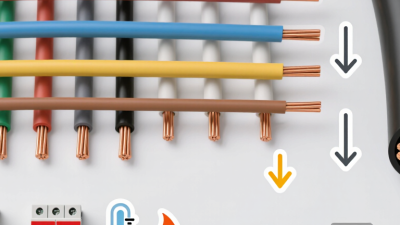
Buying Thhn Wire for international projects requires more than comparing price per meter. Global buyers must verify conductor material, insulation quality, temperature rating, voltage rating, and applicable market requirements. A product may look identical in a catalog but perform differently on a hot job site or inside a crowded conduit. Small details matter.
Start with the application. Copper and aluminum conductors offer different weight, conductivity, and installation characteristics. Check whether the requested Thhn Electrical Wire carries clear markings, consistent dimensions, and traceable test documentation. Ask suppliers for factory inspection records, sample reports, packaging photographs, and production details. Reliable vendors should explain their testing process without avoiding technical questions. They should also confirm whether the product is suitable for dry locations and the intended installation environment.
Do not trust attractive labels alone. Confirm the actual standard and certification requirements for the destination market. Compare conductor diameter, insulation thickness, spool length, and shipping weight against the quotation. A missing detail can become an expensive delay. It is also wise to order samples before approving a large shipment. Feel the jacket, inspect the print, and measure the coil carefully. These steps are practical, not excessive.
Experience teaches caution. The cheapest offer may hide inconsistent copper content, weak packaging, or unclear documentation. Still, buyers can misjudge suppliers too. One successful sample does not prove every production batch will match it. Build quality checks into the purchase agreement, clarify warranty terms, and keep written records. These ten buying tips help purchasers evaluate Thhn Wire with greater confidence, while leaving room for careful review when specifications remain uncertain.
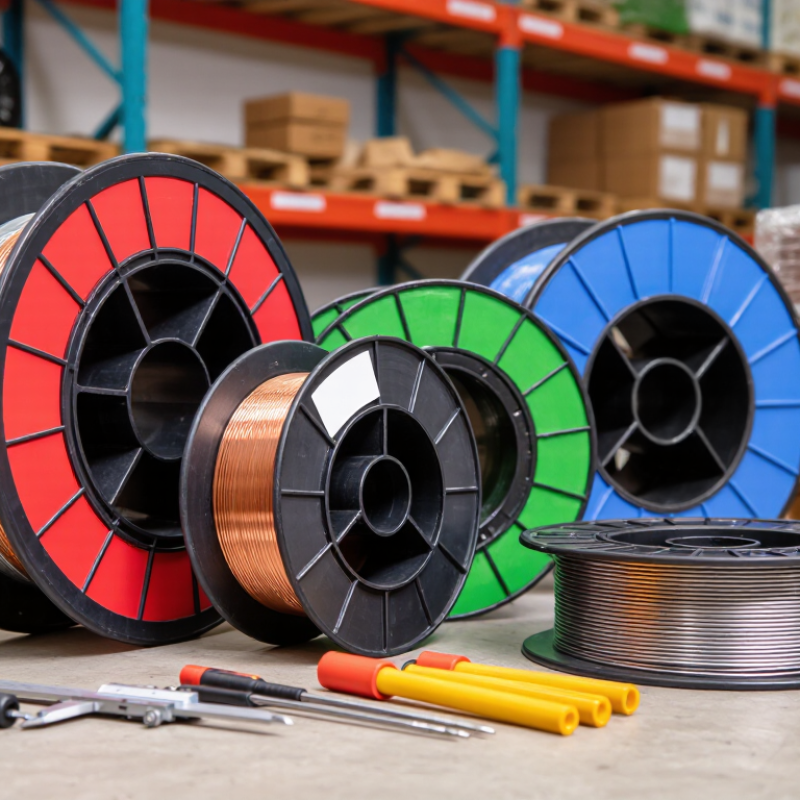
Thhn Wire means Thermoplastic High Heat-resistant Nylon-coated wire. Its insulation uses PVC, with a thin nylon jacket for abrasion and chemical resistance. Under UL 83, THHN is rated for 600 volts and 90°C in dry locations. That rating is not universal. In wet locations, the conductor must carry an approved THWN or THWN-2 marking. Check the print on the jacket.
Temperature ratings matter during purchasing. NFPA 70, 2023, Table 310.16, lists allowable ampacities by conductor size, insulation temperature, and installation conditions. For example, a copper conductor’s usable ampacity can fall when many wires share one conduit. Ambient heat can reduce it further. The 90°C rating helps with adjustment calculations, but equipment terminals may limit the final value to 75°C. This is where catalog comparisons often become misleading.
Look closely at the construction. Copper offers strong conductivity, while aluminum can reduce weight and material cost. Stranding affects flexibility during crowded panel work. A practical buyer should verify conductor material, gauge, voltage rating, temperature rating, jacket markings, and certification.
The U.S. Electrical Safety Foundation reports that electrical hazards continue to cause serious workplace injuries, so installation data should never be treated as paperwork. I would not rely on a color code alone. Markings and test documentation deserve a second check.
10 THHN Wire Buying Tips for Global Buyers
Matching THHN wire gauge to ampacity is the safest starting point for any electrical application. A smaller AWG number means a larger conductor and usually a higher current capacity. However, gauge alone does not determine performance. Check the conductor material, insulation rating, installation temperature, and local electrical requirements before ordering.
A practical buying check begins with the expected continuous load. For example, a 20-amp circuit may require a different wire size from a short equipment connection carrying the same peak current. Heat changes the decision. Wires installed in a hot ceiling, crowded conduit, or bundled cable run may need ampacity derating. Conduit fill also matters. Too many conductors can trap heat and make an otherwise suitable gauge unsuitable. Small details matter.
Voltage drop deserves attention on long runs. A wire may handle the current but still deliver weak motor performance or dim lighting. Measure the route length, load current, and system voltage before selecting the final size. I have seen purchase plans rely only on breaker size. That approach is convenient, but incomplete. Copper and aluminum conductors also require different sizing and termination practices. Confirm the product’s THHN or dual-rated insulation marking, temperature limits, and test documentation. Use current ampacity tables and have a qualified electrical professional verify the design before installation. Rules vary by country and application. Clearance, grounding, and termination details can change the correct purchase.
Global buyers should verify voltage before comparing price or conductor size. Do not trust color alone. The printed surface legend matters. Under UL 83, THHN conductors are generally rated 600 volts and 90°C in dry locations. That rating does not automatically cover wet conduit, rooftops, or buried raceways. Look for THWN or THWN-2 markings when moisture is possible. A missing suffix can create a costly installation problem.
Temperature checks require more than reading “90°C.” NFPA 70:2023, Table 310.16, lists 6 AWG copper at 65 amperes under the 75°C column and 75 amperes under the 90°C column, under specified conditions. These values are not automatic design permissions. Terminal ratings can control. If equipment terminals are limited to 75°C, use the 75°C value. A 6 Awg Thhn Wire order can fail inspection when ambient heat, bundling, or conductor material is ignored.
Insulation verification should match the actual route. Ask for the complete jacket marking, conductor material, voltage rating, temperature rating, and applicable test documentation. Check wet exposure, sunlight, oil, chemicals, and pulling damage. UL 83 provides a recognized benchmark, while local electrical rules may add requirements. Field schedules are often incomplete. That is uncomfortable, but it deserves correction before shipment. A clear photo of the cable legend can prevent a container of unsuitable wire from reaching the jobsite.
10 THHN Wire Buying Tips for Global Buyers
Choose the Right Conductor Material and Stranding
Copper and aluminum do not behave the same inside THHN cable. The International Annealed Copper Standard assigns copper a conductivity value of 100% IACS, while electrical-grade aluminum is commonly near 61% IACS. Aluminum therefore needs a larger cross-sectional area for similar ampacity. Check the applicable ampacity tables in NFPA 70, not only the supplier’s product sheet.
Copper offers easier termination and strong mechanical durability. Aluminum can reduce weight and material cost, but its connections demand compatible lugs, correct torque, and oxidation control. I have seen oversized aluminum conductors fail at poorly prepared terminals. The conductor was acceptable. The installation was not.
Stranding also changes handling. ASTM B8 covers concentric-lay-stranded copper conductors, while ASTM B801 addresses compacted aluminum conductors. Class B stranding is widely used for building wire because it balances flexibility, diameter, and cost. Finer stranding bends more easily, but it may require terminals designed for flexible conductors. IEC 60228 also defines conductor classes, though THHN purchasing usually follows North American requirements. Verify the standard on every quotation.
Look closely.
The U.S. Geological Survey’s Mineral Commodity Summaries 2024 reports substantial global production of both copper and aluminum, yet supply conditions can shift quickly. A low price may hide a larger conductor, different stranding, or incomplete certification. Request conductor metal, stranding class, cross-sectional area, temperature rating, and test standard in writing. I still recheck these details, because “equivalent” is sometimes too vague for a safe purchase.
| Tip | Buying Decision | Copper Conductor | Aluminum Conductor | Stranding Guidance | What to Verify Before Purchase |
|---|---|---|---|---|---|
| 1 | Define the installation environment | Suitable where high conductivity, compact size, and frequent termination work are important. | Useful for larger feeders where lower material weight and reduced conductor cost are priorities. | Choose solid or compact stranding for fixed installations; choose flexible stranding when routing requires repeated bending. | Confirm whether the cable will be installed in a dry location, a raceway, a tray, or an area exposed to moisture. |
| 2 | Select the conductor material | Higher electrical conductivity allows a smaller cross-sectional area for the same design current in many applications. | Lower conductivity requires a larger conductor size for an equivalent ampacity and careful attention to connection practices. | Material and stranding must be specified together because strand construction affects flexibility, outside diameter, and termination compatibility. | Request the conductor material, temper, nominal cross-sectional area, and applicable conductor standard on the technical datasheet. |
| 3 | Match the conductor size to ampacity | Common copper THHN sizes include 14 AWG, 12 AWG, 10 AWG, 8 AWG, 6 AWG, and larger sizes. | Aluminum is commonly selected in larger feeder sizes because its lower conductivity generally requires a larger cross-section. | Do not select wire solely by outside diameter; ampacity depends on conductor size, insulation rating, installation conditions, and correction factors. | Use the governing electrical code and apply ambient-temperature, bundling, conduit-fill, and terminal-temperature requirements. |
| 4 | Choose solid or stranded construction | Solid copper offers a simple construction and can be practical for short, fixed wiring runs where local rules permit it. | Aluminum conductors are generally supplied as stranded in the larger sizes used for feeders and distribution circuits. | Stranded conductors are easier to pull through conduit; finer stranding provides greater flexibility but may require compatible terminals. | Check the strand count, strand diameter, conductor class, minimum bending radius, and termination instructions. |
| 5 | Confirm the insulation designation | THHN insulation is thermoplastic, heat-resistant, and rated for dry locations; many products are also marked THWN-2 for wet locations. | The same THHN or dual-rated insulation principles apply, but the complete cable marking must be checked for the selected conductor. | Stranding does not change the insulation designation; the jacket or insulation marking must clearly identify the approved rating. | Look for the required marking, such as THHN, THWN, or THWN-2, rather than relying only on a product description. |
| 6 | Check temperature ratings | THHN is commonly associated with a 90 °C dry-location rating, subject to the permitted ampacity and termination limits. | Aluminum THHN products must meet the same stated insulation-temperature requirements for their intended application. | Higher flexibility does not automatically increase the allowable operating temperature or ampacity. | Verify dry and wet temperature ratings separately and use the lowest applicable rating at the equipment terminals. |
| 7 | Evaluate voltage and insulation thickness | Common THHN constructions are rated for 600 V, but the exact voltage marking must be confirmed for each product. | Voltage rating is determined by the complete insulation system, not by whether the conductor is copper or aluminum. | Compact or compressed stranding may reduce outside diameter while maintaining the required electrical and mechanical properties. | Confirm voltage rating, insulation thickness, overall diameter, and compatibility with the planned conduit or terminal equipment. |
| 8 | Verify terminal compatibility | Copper conductors are widely compatible with terminals marked for copper conductors; use the specified torque and preparation method. | Aluminum requires terminals and connectors specifically listed for aluminum or for both aluminum and copper, as applicable. | Fine-stranded conductors may need ferrules, lugs, or terminals specifically approved for the strand class and construction. | Confirm connector material, listed conductor range, oxide-inhibiting compound requirements, torque values, and allowable strand class. |
| 9 | Compare total installed cost | Although the purchase price can be higher, smaller copper conductors may reduce conduit size, pulling effort, and termination complexity in some projects. | Lower mass can reduce handling effort for large conductors, but larger sizes and specialized terminations may affect installation cost. | More flexible stranding can reduce pulling difficulty, while larger strand counts may increase price and outer diameter. | Compare conductor price, freight weight, conduit requirements, installation labor, connector cost, and expected maintenance—not only price per meter. |
| 10 | Request complete compliance documentation | Ask for conductor resistance, dimensions, strand construction, insulation marking, and production test records. | Also request evidence that the conductor and terminals are suitable for the selected aluminum application and installation method. | Confirm that the stated strand count and diameter match the purchased construction and the applicable manufacturing standard. | Review the datasheet, certificate of conformity, applicable test reports, packaging marks, lot identification, and country-specific import requirements. |
When buying THHN wire for an overseas project, certification should match the destination market. A familiar certificate is not automatically accepted everywhere. Check the importer’s electrical code, voltage requirements, conductor rules, and approved testing bodies before placing an order. These details can change between countries, and even between project types.
Ask for a current certificate of conformity, factory test reports, and clear product markings. The documents should identify insulation type, temperature rating, conductor size, voltage rating, and flame performance. For Stranded Thhn Wire, verify that the strand construction matches the installation method and local code. A small mismatch may cause inspection delays or expensive replacement work. Check the printed jacket carefully. It should remain legible after handling and transport.
In practice, experienced buyers request sample labels before production. They also compare certificate numbers with the issuing laboratory’s public records. Do not rely only on a supplier’s scanned document. That shortcut can create uncertainty. I have seen purchasing teams focus on price, then discover that the certificate covered a different wire size. That mistake is easy to repeat. Ask whether the certification applies to the exact construction, not merely the product family. Keep records of approvals, test dates, and shipment batches for future audits. Some requirements are unclear at the start. Confirm them in writing with the local authority or a qualified electrical engineer.
Start by defining the voltage, conductor size, insulation color, and installation environment. Confirm that the supplier follows the required technical standard. Ask for recent test reports, batch records, and clear product markings. Request samples before placing a large order. Compare copper resistance, insulation thickness, flexibility, and surface finish. A clean, even jacket often signals better process control. Still, appearance alone proves little.
Compare landed cost, not only the factory price. Include freight, insurance, duties, testing, and packaging changes. Ask whether pricing covers copper fluctuations or expires quickly. Request separate prices for samples, small orders, and full containers. Then review payment terms and production lead time. Cheap wire can become expensive after delays or failed inspections. I once focused too heavily on unit price and underestimated port charges. That mistake changed my purchasing checklist.
Minimum order quantity deserves careful negotiation. Ask if mixed sizes or colors can share one order. Check whether the supplier accepts a trial batch with the same inspection process. Clarify replacement terms for damaged or nonconforming reels. Review packaging strength, reel dimensions, and storage guidance. Reliable suppliers answer specific questions with documents, not vague promises. Keep written records of every specification and revision. A lower MOQ may cost more per meter, but it can reduce inventory risk. Supplier communication should be tested before money moves.
10 THHN Wire Buying Tips for Global Buyers
Plan Shipping, Documentation, and Long-Term Supply Support
Buying THHN wire internationally requires more than comparing prices. Confirm the conductor size, insulation thickness, temperature rating, color, and spool length before placing an order. A sample inspection can reveal printing defects, uneven insulation, or loose winding. Small details matter.
Ask how the wire will travel. Wooden reels need secure bracing, while cartons need moisture protection during ocean transit. Request photos of the packed cargo before loading. Include the commercial invoice, packing list, certificate of origin, test report, and correct customs classification. Your local requirements may differ. Check them early.
Keep a clear product schedule for every Household Wire or THHN wire order. Record the approved construction, package size, labeling language, and acceptable test values. This prevents replacement material from appearing without notice. It also helps when the same project needs another shipment six months later.
Long-term supply depends on communication, not promises alone. Ask about production capacity, raw material planning, inspection procedures, and backup shipping arrangements. Set a realistic lead time around holidays and port congestion. A perfect forecast is unlikely. We once underestimated storage space for several large reels, creating avoidable handling costs. That mistake changed our purchasing checklist. Leave room for delays, reinspection, and changing site demand.
Copper THHN conductor ampacity reference at 75°C termination ratings
Use conductor size and ampacity as starting points when preparing purchase specifications, packing lists, and compliance documents. The values shown are common NEC Table 310.16 ampacity ratings for copper conductors in the 75°C column, limited to 30°C ambient conditions and no more than three current-carrying conductors. Final selection should be verified against the destination country’s electrical standards, installation conditions, voltage drop, insulation requirements, and terminal ratings.
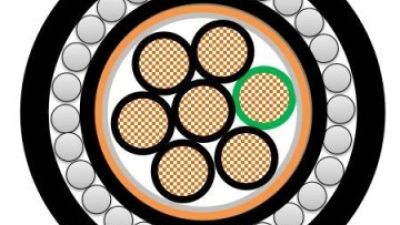
A 600V PVC-insulated armored control cable with copper wire braiding is designed for dependable signal and power control in demanding installations. Its PVC insulation provides reliable electrical separation and resistance to common moisture, abrasion, and chemical exposure, while the armored layer helps protect the cable from compression, impact, and deformation. The copper braided screen adds shielding against electromagnetic interference, helping maintain stable control signals over extended distances.
This type of armored control wire is suitable for industrial automation, equipment interconnection, outdoor control systems, construction machinery, and other applications where cables may face mechanical stress or challenging installation conditions. When approved for the installation environment, it can be buried directly for long-range connections between control equipment, reducing the need for additional protective conduits. Proper sealing and installation practices remain important in areas exposed to water, soil movement, or corrosive substances.
When selecting the cable, consider the system voltage, conductor size, number of cores, signal requirements, bending conditions, and expected mechanical loads. Check that the cable’s temperature rating, insulation performance, shielding coverage, and armor construction match the operating environment. For installations requiring frequent movement, a more flexible design may be preferable, while fixed underground routes may benefit from stronger mechanical protection and a suitable outer sheath.
Copper conducts electricity more efficiently and usually needs less space. Aluminum is lighter and can reduce material costs.
Usually, yes. Check the applicable ampacity tables instead of relying only on a supplier’s product sheet.
Confirm compatible lugs, correct tightening torque, and oxidation control. Poor preparation can cause failure, even with an acceptable conductor.
Stranding changes flexibility, diameter, and handling. Fine strands bend easily but may need suitable flexible-conductor terminals.
Request conductor material, stranding class, cross-sectional area, temperature rating, and testing requirements in writing.
Check insulation thickness, printing, winding quality, color, spool length, and conductor size. Small defects can create large delays.
Brace wooden reels securely and protect cartons from moisture. Request cargo photos before loading.
Prepare the commercial invoice, packing list, origin certificate, test report, and correct customs classification.
Keep a product schedule with approved construction, packaging, labels, and acceptable test values. “Equivalent” can be too vague.
Discuss production capacity, raw material planning, inspections, and backup shipping. Allow time for holidays, port congestion, and reinspection.
Storage space may be underestimated for large reels. We made that mistake once, and handling costs increased.
A low price may hide a larger conductor, different stranding, or incomplete certification. Look closely.
Buying Thhn Wire for international electrical projects requires more than comparing prices. Start by understanding its construction, insulation type, voltage rating, temperature range, and ampacity. Select the correct wire gauge based on the application, installation method, and expected electrical load. You should also evaluate whether copper or aluminum conductors are more suitable, and choose solid or stranded construction according to flexibility and installation requirements.
Before placing an order, confirm that the wire meets the certifications and documentation required in the destination market. Compare suppliers based on manufacturing consistency, testing procedures, quality control, pricing, minimum order quantities, and lead times rather than cost alone. It is also important to plan packaging, shipping, customs documents, and technical support in advance. A reliable long-term supply partner should provide clear specifications, stable quality, responsive communication, and dependable after-sales assistance. These steps help global buyers reduce purchasing risks and select Thhn Wire that is safe, compliant, and suitable for its intended application.