When you're picking out a 3 Phase Armoured Cable, it's really important to get a handle on what the market actually needs. I mean, according to a report from the International Electrotechnical Commission, the global demand for armored cables? It's expected to grow about 7% each year. Industry pro John Smith from ElectroConnect puts it simply: “Choosing the right cable can seriously make or break your system’s efficiency and safety.”
So, there's a few things to keep in mind—like the cable's rating, the kind of insulation it has, and the environment where it'll be used. The right cable isn’t just about performance; it's about durability and trust, especially in tough conditions. Think about cables in industrial settings—they’re often exposed to harsh weather, so they need to be pretty tough.
Honestly, even with all the options out there, lots of folks have a tough time figuring out which cables are actually suited to their specific needs. This can cause issues during installation or even pose safety risks later on. Taking the time to really understand the specs and how they match up with real-world use can make a huge difference when you're making your choice.
Understanding the Basics of 3 Phase Armoured Cable
Understanding the Basics of 3 Phase Armoured Cable
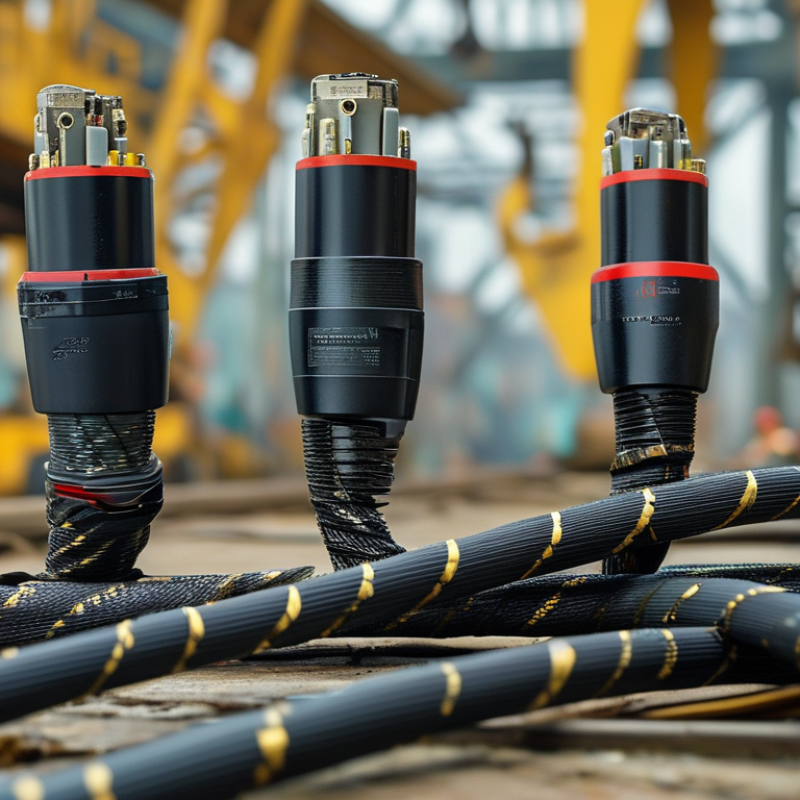
Three Phase Armoured Cable is crucial for various electrical applications. Its design ensures durability and protection against environmental factors. The armored layer offers physical strength, making it ideal for outdoor installations or industrial settings.
When selecting the right cable, consider its capacity. It's essential to match the cable’s amperage rating with your system's needs. Mismatching can lead to overheating or inefficiencies. Check the insulation material as well. Different materials perform better under specific conditions.
Another tip involves installation practices. Proper handling during installation is vital. Damage to the armoured layer can compromise safety. Ensure you use suitable tools to avoid unnecessary wear and tear. Regular maintenance checks are equally important to catch any potential issues early. Not all installations have the same requirements. Reflect on your unique needs before making a choice.
Evaluating the Electrical Load Requirements for Your Project
When choosing the right three-phase armoured cable, evaluating your electrical load requirements is essential. Understanding how much load you will place on the cable helps prevent overheating and ensures safety. A thorough assessment allows you to select a cable that meets your needs without being over or under-specified.
Consider the total wattage of all electrical equipment that will operate simultaneously. For industrial setups, this often includes motors, lighting, and other machinery. Calculate the load in watts and convert it to amps to know the required cable size. Sometimes, users overlook the importance of future expansion. If you plan to increase your load, it’s wise to choose a cable that can handle additional capacity.
It’s also crucial to determine the environment where the cable will be used. Factors such as exposure to moisture, chemicals, or physical damage can impact the cable’s performance. In harsher environments, opting for a robust solution like Armoured Cable Single Phase is beneficial.
Consult with professionals who can provide insights based on years of experience. They can highlight potential pitfalls that a novice might miss. Always prioritize reliability and safety in your cable choice. Ignoring these factors can lead to costly mistakes down the line.
Choosing the Right Conductor Material: Copper vs. Aluminum
When choosing the right conductor material for your Three Phase Cable, copper and aluminum are the primary options. Copper is a popular choice due to its superior electrical conductivity, with a conductivity rating of about 97% IACS. This means less resistive loss and better efficiency. However, copper cables are generally more expensive and heavier, which might affect installation costs.
Aluminum, on the other hand, maintains a good balance between cost and effectiveness. With a conductivity rating of approximately 61% IACS, it is lighter and often more affordable than copper. However, the trade-off includes higher resistive losses over long distances. According to industry reports, aluminum conductors perform reliably in less demanding applications, but can also experience issues such as corrosion if not properly handled.
Tip: Consider the installation environment. If weight is a concern, aluminum could be the better choice. Optimize your budget by evaluating project specifics, ensuring that you avoid overspends without compromising safety.
Another important factor is thermal performance. Aluminum's higher thermal expansion can affect connections over time. For high-performance applications, copper may provide more reliability despite its higher initial cost. Ultimately, understanding the performance characteristics of each material is crucial for effective decision-making regarding your Three Phase Cable needs.
Top 5 Tips for Choosing 3 Phase Armoured Cable
| Tip | Description | Conductor Material | Advantages | Disadvantages |
| 1. Identify the Load Requirements | Determine the total power requirement of the connected loads. | N/A | Ensures proper sizing of cables. | Overestimating can lead to unnecessary costs. |
| 2. Consider Environmental Factors | Analyze the installation environment such as temperature, humidity, and physical hazards. | N/A | Enhances cable longevity and reliability. | Ignoring factors can result in failures. |
| 3. Choose the Right Conductor Material | Select between copper and aluminum based on conductivity, cost, and application. | Copper / Aluminum | Copper has higher conductivity; aluminum is lighter and less expensive. | Copper is more costly; aluminum has lower conductivity. |
| 4. Check Voltage Ratings | Ensure cable voltage ratings match or exceed the system's operating voltage. | N/A | Avoids insulation failures and hazards. | Using inadequate ratings can be dangerous. |
| 5. Verify Compliance with Standards | Ensure all cables comply with relevant industry standards and regulations. | N/A | Ensures safety and performance. | Non-compliance can result in legal issues. |
Assessing the Cable Size and Voltage Drop Calculations
When choosing a three-phase armoured cable, understanding cable size and voltage drop is crucial. The size of the cable influences its current-carrying capacity. Larger cables can handle higher loads without overheating. However, they are also more expensive and less flexible. It is essential to assess your specific needs and select an appropriate size accordingly.
Voltage drop calculations help ensure efficient energy transmission. A high voltage drop can lead to energy loss and equipment malfunction. Aim for a drop of less than 3% for optimal performance. Measure the distance from the power source to the load. Then calculate the expected voltage drop based on the cable size and load current.
Many overlook the importance of these calculations, leading to issues down the line. Improper size selection might invite unnecessary challenges. Reflecting on both cable size and voltage drop can save money and avoid complications. A well-planned installation ensures reliability and durability in the electrical system.
Understanding Environmental Factors Affecting Cable Selection
When selecting a 3 phase armoured cable, environmental factors play a crucial role. Understanding the installation site is essential. For instance, cables used in areas with high moisture require specific insulation to prevent water damage. Similarly, those exposed to high temperatures need materials that can withstand heat without degrading.
Soil conditions are also important. In corrosive soil, choose cables with robust sheathing to enhance durability. Veering away from standard choices might lead to issues later. Additionally, consider the potential for mechanical stress. A cable that is too rigid in a dynamic environment can fail prematurely.
Weather conditions should not be overlooked. Locations with extreme temperatures or exposure to ultraviolet light will require more robust solutions. It’s a reminder to evaluate all aspects of the location before committing to a final decision. Small oversights can lead to larger problems down the line, affecting performance and safety. Would a different material have provided better protection? Reflecting on these questions is key.
Compliance with Industry Standards and Regulations
When selecting 3 Phase Cable, it's crucial to prioritize compliance with industry standards. These standards guarantee safety and reliability. They help to ensure that the cable can handle the required load without failure. However, many overlook the importance of checking compliance. This oversight can lead to serious consequences.
Understanding the specific regulations for electrical installations is essential. Regional and national codes dictate the requirements for cables. Some cables may not meet the necessary standards, leading to hazardous situations. It's important to consult with professionals who have experience in this area. They can offer insights into the best materials and practices.
Choosing the right 3 Phase Cable also involves understanding its installation environment. Factors like temperature, moisture, and mechanical stress play a significant role. Armoured cables provide additional protection but must still comply with standards. Regularly reviewing the compliance of your cable choices can prevent future issues. Reflecting on past installations can offer lessons. This way, you can make informed decisions that prioritize safety and quality.
Evaluating the Cost vs. Performance of Armoured Cable Options
When choosing 3 phase armoured cable, evaluating cost versus performance is crucial. Pricing varies widely. Factors include material quality and insulation type. High-performance cables might seem expensive upfront but can save money long-term. Lower-quality options often lead to repairs or replacements, which add costs.
Consider the installation environment. A tough cable may cost more but offers durability against physical harm or chemical exposure. Weigh these features against your specific needs. It’s essential to match cable capacity with operational requirements. Using an undersized cable can lead to overheating and inefficiency.
Assessing performance also involves understanding electrical load requirements. A balanced load ensures efficiency and safety. Premature failure can happen with inadequate shielding and wrong installation practices. Seek advice from experts and review associated data. This avoids costly mistakes and ensures you choose the right option for longevity and effectiveness in your projects.
Innovative Applications and Benefits of IEC60502-1 0.6/1kV Three Core XLPE Buried Electrical Cables
The IEC 60502-1 standard for 0.6/1kV three-core XLPE buried electrical cables represents a significant advancement in cable technology, offering innovative applications and multiple benefits for various sectors. These armored cables are specifically designed for direct underground installation, making them ideal for supplying power to essential infrastructure such as office buildings, factories, and hospitals. With their robust construction and reliable insulation, these cables enhance both safety and operational efficiency in power distribution systems.
According to recent industry reports, the demand for high-voltage underground cables is expected to grow due to the increasing need for reliable power supply systems in urban areas. The use of three-core XLPE cables is projected to rise by 20% over the next five years as more construction projects prioritize efficiency and safety standards. These cables not only provide improved thermal performance but also exhibit superior resistance to moisture and chemical corrosion, which is vital for durability in harsh environmental conditions.
Additionally, the three-core design simplifies installation and reduces the amount of cable needed for power distribution, leading to more cost-effective solutions for contractors. The advantages extend beyond mere electrical performance; utilizing these cables can significantly reduce energy losses and enhance overall system reliability. As cities modernize and adapt their infrastructures, IEC 60502-1 compliant cables will play a crucial role in meeting the evolving power requirements across various industries.
FAQS
: The primary options are copper and aluminum for three-phase cables.
Copper has superior electrical conductivity, rated at about 97% IACS, leading to better efficiency.
Copper cables are more expensive and heavier, potentially increasing installation costs and complexity.
Aluminum has a lower conductivity rating of approximately 61% IACS, resulting in higher resistive losses.
Choose a cable size that matches your current-carrying needs. Larger cables can handle higher loads but are pricier.
They help ensure efficient energy transmission and can prevent equipment malfunctions due to excessive loss.
Aim for a voltage drop of less than 3% for effective operation of your electrical system.
Choosing the wrong size can lead to overheating, energy loss, and other complications during installation.
Aluminum can expand more with heat, potentially causing connection issues over time, while copper tends to be more stable.
Many neglect the importance of considering both cable size and voltage drop, leading to future challenges.
Conclusion
Choosing the right 3 Phase Armoured Cable is essential for ensuring the safety and efficiency of electrical installations. To make an informed decision, one must first understand the basics of this type of cable, which is designed to withstand challenging conditions. Evaluating your project's electrical load requirements is crucial, as this determines the size and capacity needed for optimal performance.
Additionally, selecting the right conductor material—whether copper or aluminum—can greatly influence the cable's durability and conductivity. It's also important to consider cable size and voltage drop calculations, along with environmental factors that may impact performance. Lastly, ensuring compliance with industry standards and weighing the cost against performance can help in selecting the best 3 Phase Armoured Cable for your specific needs.