Hesheng Cable
Leave Your Message
0%

China has really become a major hub for manufacturing Xlpe Insulated Power Cable. Their suppliers support all sorts of projects around the world—whether it's utility, renewable energy, industrial, or infrastructure stuff. And honestly, the demand keeps climbing steadily.

According to the International Energy Agency’s Electricity 2024 report, we’re expecting global electricity demand to grow by about 4% each year through 2026. That kind of growth means there's a bigger need for reliable medium- and high-voltage cables. XLPE insulation is a big help here—it handles higher temperatures, has solid dielectric properties, and makes underground installation way more efficient. But here’s the thing: the quality of the cable isn’t just about the insulation material. Factors like how pure the conductor is, resistance to water damage (water-tree resistance), shielding design, testing rigor, and joint compatibility all play important roles.

Some Chinese manufacturers have really ramped up their export game and gained quite a bit of experience with international projects. Brands like Jiangnan Cable, Zhongtian Technology, Hengtong Group, Far East Cable, and Baosheng Science and Technology are often in the mix when buyers are looking abroad. Just a heads up, though—product ranges and certifications can vary pretty a lot. If you’re buying, it’s smart to check whether their cables meet standards like IEC 60502-1, IEC 60840, or IEC 62067, depending on what voltage you’re dealing with. Also, pay attention to factory audits, type-test reports, production capacity, and warranty policies—those details matter.

On the domestic front, reports from the China Electricity Council and State Grid Corporation show ongoing investments in upgrading the grid and integrating renewable energy sources. That means a pretty healthy testing environment for cable suppliers in China. But, honestly, comparing capacity figures can be tricky. Some reports focus on installed machinery, others highlight finished projects—you’ve got to look carefully to see what’s what.

At the end of the day, a good supplier is one that provides traceable materials, regular test data, and knows their stuff technically. Visiting sites and reviewing past failures can save you a headache later. Remember, the biggest company isn’t always the best fit. The right supplier is the one that matches your project’s voltage needs, environment, delivery timelines, and risk considerations—that’s what really counts.
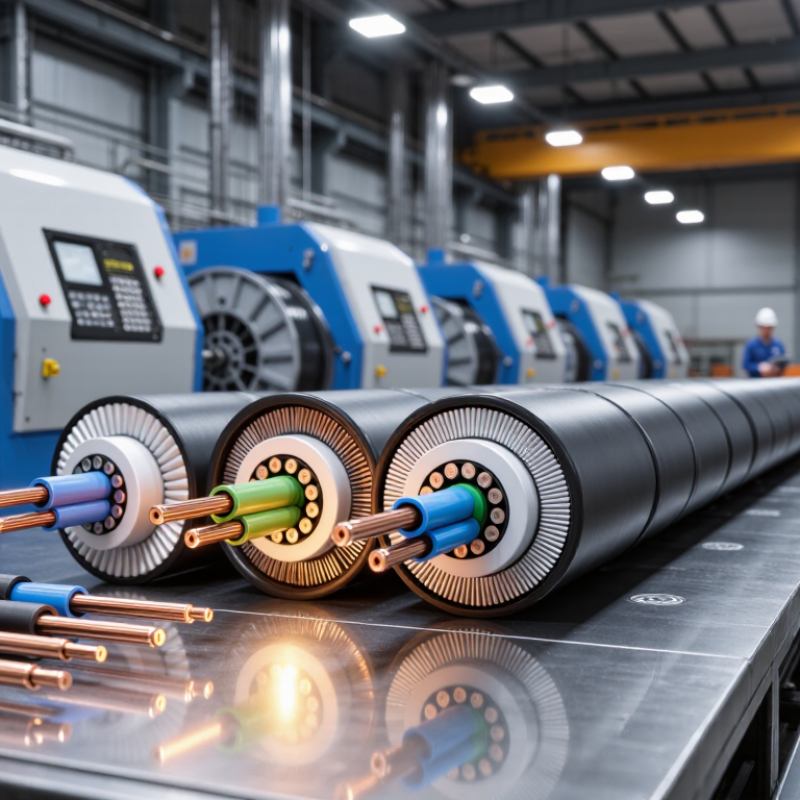
China Top XLPE Insulated Power Cable Suppliers

XLPE Insulation Rated at 90°C: Key Performance Data for Power Cables

For buyers comparing China top Xlpe Insulated Power Cable suppliers, the90°C rating is a practical benchmark. It means the conductor can operate continuously at 90°C under specified installation conditions. This does not guarantee the same current capacity everywhere. Ambient temperature, cable grouping, soil thermal resistance, and ventilation affect ampacity. A properly designed Xlpe Insulated Cable also offers stable dielectric performance and low moisture absorption. In many medium-voltage designs, XLPE insulation supports a short-circuit conductor temperature of up to 250°C for five seconds, subject to the applicable standard and construction.

Field experience shows that temperature data must be read with test evidence. Check conductor resistance, insulation thickness, partial discharge results, and routine test records. For outdoor routes, inspect sheath protection and water-blocking details. A cable may pass a factory test yet perform poorly if joints are careless. That happens. Installation quality matters as much as material selection. Ask suppliers for third-party reports, manufacturing traceability, and clear references to IEC or equivalent requirements.

Tips: Confirm the 90°C rating matches the actual load profile. Request ampacity tables for your installation method. Review emergency overload limits separately. Measure cable spacing before ordering. Do not rely on catalog values alone. One overlooked correction factor can change the design. Recheck the calculation with a qualified cable engineer before final approval.

China’s XLPE Cable Standards: IEC 60502-1, 60502-2, and 60840

China’s Xlpe Cable suppliers increasingly work against three core IEC references: 60502-1, 60502-2, and 60840. IEC 60502-1 covers fixed installations up to 1 kV. IEC 60502-2 addresses medium-voltage cables from 6 kV to 30 kV. IEC 60840 applies to higher-voltage systems above 30 kV and up to 150 kV. These boundaries matter during procurement. A cable selected only by conductor size may fail the project’s voltage, installation, or testing requirements.

Demand is becoming more demanding. The International Energy Agency’s Electricity 2024 report forecasts global electricity demand growth of about 3.4% annually from 2024 to 2026. Grid expansion will require consistent insulation quality, reliable metallic screens, and traceable routine tests. For IEC 60502-2 cables, buyers should review partial-discharge results, conductor-screen smoothness, insulation eccentricity, and water-blocking design. Small defects can become serious after years underground.

IEC 60840 projects require deeper evidence. Type-test validity, sheath integrity, thermal ageing, and installation conditions should match the declared design. The International Cablemakers Federation has repeatedly highlighted quality control as a key factor in cable service life, not merely production capacity. A practical factory audit should inspect clean-room control, extrusion records, testing equipment, and sample retention. Certificates alone are not enough. This is where procurement often becomes imperfect: specifications may be copied from old projects, while soil temperature, load cycles, and joint design have changed. Good technical review should question those assumptions.

Voltage Classes from 1 kV to 500 kV in China’s XLPE Cable Market

China’s XLPE cable market covers voltage classes from 1 kV to 500 kV. Each class requires different insulation, testing, and installation controls. For low-voltage projects, suppliers commonly provide cables for buildings, factories, solar facilities, and urban distribution. At these levels, conductor flexibility and moisture resistance often influence daily installation efficiency. The details matter.

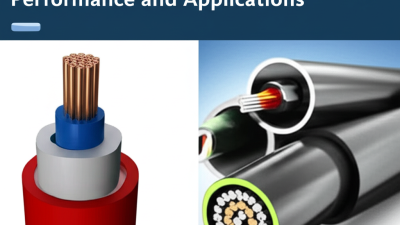
Medium-voltage cables, typically from 6 kV to 35 kV, serve substations, industrial parks, and municipal networks. Suppliers should provide partial discharge data, conductor resistance values, and routine test records. An Xlpe Insulated Armored Cable can add mechanical protection in trenches or areas exposed to impact. Steel armor is useful, but it may increase cable weight and bending difficulty.

High-voltage systems from 66 kV to 220 kV demand stricter control of insulation cleanliness and electric field grading. At 500 kV, production usually involves advanced extrusion lines, continuous monitoring, and factory acceptance testing. Installation quality remains critical. A minor joint defect can become a major outage risk. Buyers should verify compliance with applicable IEC or Chinese GB standards, type-test validity, sheath performance, and project references. A catalogue is not proof. In practice, some supplier documents appear complete but lack traceable test conditions. That weakness deserves attention. Factory audits, sample inspections, and independent witness testing can provide stronger evidence before contract approval.

China Top XLPE Insulated Power Cable Suppliers - Voltage Classes from 1 kV to 500 kV in China’s XLPE Cable Market
Voltage Class IEC Voltage Designation Applicable International Standard Typical Conductor Cross-Section Conductor Options Common Cable Construction Typical Applications Key Technical Considerations
1 kV 0.6/1 kV IEC 60502-1 1.5–630 mm² Class 2 stranded copper or aluminium Single-core or multicore; XLPE insulation with PVC, LSZH or PE sheath Industrial plants, commercial buildings, power distribution and infrastructure wiring Suitable for fixed installation; installation method, ambient temperature and grouping determine the permissible current rating.
3 kV 1.8/3 kV IEC 60502-1 25–630 mm² Copper or aluminium Single-core or multicore with XLPE insulation, metallic screen where specified, and protective outer sheath Industrial distribution systems, mining installations and medium-voltage equipment connections Screening and earthing arrangements should be selected according to system fault current and installation requirements.
6–10 kV 3.6/6 kV to 6/10 kV IEC 60502-2 25–630 mm² Copper or aluminium Single-core or three-core; semiconductive conductor screen, XLPE insulation, insulation screen and metallic screen Factory distribution, utility feeders, substations and industrial power networks Metallic screen cross-section is coordinated with the expected earth-fault current and clearing time.
8.7–15 kV 8.7/15 kV IEC 60502-2 35–800 mm² Copper or aluminium Single-core or three-core, normally with copper wire, copper tape or aluminium screen Urban distribution, renewable-energy collector systems and industrial substations Water-blocking tapes or powders may be specified for installations exposed to moisture ingress.
12–20 kV 12/20 kV IEC 60502-2 50–1,000 mm² Copper or aluminium Single-core or three-core with radial and, where required, longitudinal moisture protection Medium-voltage utility networks, industrial campuses and large commercial facilities Screen bonding, sheath voltage limitation and induced-voltage control are important for single-core installations.
18–30 kV 18/30 kV IEC 60502-2 70–1,200 mm² Copper or aluminium Single-core or three-core with XLPE insulation and concentric metallic screening system Primary distribution, wind-farm collection networks and large industrial power systems Thermal resistivity of the soil, burial depth and circuit spacing strongly affect ampacity.
26–35 kV 26/35 kV IEC 60502-2 95–1,600 mm² Copper or aluminium Single-core or three-core; XLPE insulation with metallic screen and PE, PVC or LSZH sheath Sub-transmission feeders, photovoltaic and wind-power plants, and utility substations Long-distance routes may require conductor-size optimization, sheath-loss calculations and drum-length planning.
64–110 kV 64/110 kV IEC 60840 240–2,500 mm² Copper or aluminium Single-core cable with conductor screen, XLPE insulation, insulation screen, metallic sheath and oversheath High-voltage distribution, urban substations, industrial interconnections and offshore or onshore renewable projects Type tests, routine tests, sheath testing and installation-specific joint and termination systems are required.
127–220 kV 127/220 kV IEC 60840 500–2,500 mm² Copper or aluminium Single-core XLPE cable with metallic sheath or screen, corrosion protection and a mechanically robust oversheath Transmission substations, metropolitan grids and high-capacity underground links System design normally includes link-box arrangements, cross-bonding or single-point bonding, and precise thermal analysis.
290–500 kV 290/500 kV IEC 62067 800–2,500 mm² Copper or aluminium Single-core extra-high-voltage cable with advanced semiconductive screens, XLPE insulation, metallic sheath and protective oversheath Extra-high-voltage transmission corridors, major substations and high-capacity underground interconnectors Prequalification and type-testing requirements are extensive; installation, jointing, thermal rating and sheath bonding must be engineered as one system.
Technical note: The conductor sizes listed above represent common market ranges rather than mandatory values. Final cable selection depends on rated current, short-circuit withstand, voltage drop, installation method, ambient conditions, soil thermal resistivity, bonding method and applicable project specifications.

Conductor Sizes, Ampacity, and Loss Targets for XLPE Power Cables

China Top XLPE Insulated Power Cable Suppliers

Choosing an Xlpe Power Cable begins with the load, not the catalogue. Conductor size controls ampacity, voltage drop, and resistive loss. Common copper sizes range from 16 mm² to 630 mm². Aluminium conductors may require larger cross-sections for equivalent performance.

Ampacity depends on more than conductor metal. Installation depth, soil thermal resistivity, ambient temperature, grouping, and duct placement change the result. A 240 mm² cable in open air can carry more current than the same cable in a crowded trench. Reliable suppliers should provide calculation records based on IEC 60287 methods and declared installation conditions. Ask for conductor resistance at 20°C and operating temperature. Small details matter.

Loss targets deserve practical attention. For long feeders, engineers often set limits for voltage drop and annual energy loss before selecting the cable. Lower resistance can justify a larger conductor, but the extra copper or aluminium raises project cost. That trade-off needs a real load profile. A spreadsheet using only maximum current may exaggerate savings. It can also hide cyclic loading and harmonic heating. I have seen neat designs fail after site conditions changed. Recheck the numbers. Suppliers should support routine testing, dimensional checks, insulation verification, and traceable material documentation before shipment.

Top Chinese XLPE Cable Suppliers: Capacity, Certifications, and Export Reach

China Top XLPE Insulated Power Cable Suppliers

Top Chinese XLPE cable suppliers combine large production capacity with controlled testing and export experience. Many operate multiple extrusion lines for medium- and high-voltage cables. Some can produce several hundred kilometres monthly, depending on conductor size and project design. Capacity alone proves little.

A reliable supplier should provide traceable copper or aluminium records, batch numbers, and routine test reports. Look for ISO 9001 quality systems, ISO 14001 environmental management, and ISO 45001 safety certification. Project-specific compliance may also require IEC standards, CE documentation, or local utility approvals. Certificates should be verified, not simply accepted as decoration. Factory audits can reveal ageing equipment, weak storage practices, or inconsistent test procedures.

Export reach matters when cables cross different climates and standards. Experienced suppliers usually prepare wooden drums, moisture protection, multilingual documents, and shipping plans through major Chinese ports. Their teams should understand customs paperwork, installation conditions, and voltage requirements in Asia, Africa, Europe, and the Middle East. Ask for references from comparable projects, not only a long customer list. I have seen capable factories lose projects through unclear cable markings or late drawings. That detail is easy to overlook. A careful buyer should review conductor resistance, insulation thickness, sheath material, and delivery records before signing.

China Top XLPE Insulated Power Cable Suppliers: Capacity, Certifications, and Export Reach

Standards-based view of XLPE cable voltage capabilities relevant to Chinese suppliers and international export markets

The chart uses the maximum voltage range covered by major IEC XLPE cable standards as a measurable indicator of product capability. IEC 60502-1 covers low-voltage cables up to 1 kV, IEC 60502-2 covers medium-voltage cables from 6 kV to 30 kV, IEC 60840 covers high-voltage cables above 30 kV up to 150 kV, and IEC 62067 covers extra-high-voltage cables above 150 kV up to 500 kV. These standards are widely referenced for certification, project approval, and export compliance.

Comparing Suppliers by Type Tests, CCC Certification, Warranty, and Delivery Data

China Top XLPE Insulated Power Cable Suppliers

Comparing suppliers requires more than checking a catalogue price. For each Xlpe Cable, request the complete type test report, not a single-page certificate. The report should identify conductor size, rated voltage, insulation thickness, test date, and laboratory qualifications. It should also reference applicable IEC or GB/T requirements. Ask for evidence.

A CCC certificate deserves careful checking. Confirm that the certificate covers the exact cable structure, voltage class, factory location, and production scope. A certificate with a similar product name may not be enough. Review its validity through the official certification system. This small detail can prevent approval delays at the project site.

Warranty terms reveal how seriously a supplier manages quality. Look for coverage periods, defect definitions, inspection procedures, and transport responsibilities. Delivery data should include quoted lead time, actual dispatch dates, order quantities, and on-time performance. Monthly records are more useful than one successful shipment. Check the numbers.

Packaging also matters. Cable drums should show length, cable size, gross weight, and sealing condition. Delivery promises can change when copper prices rise or factory capacity becomes tight. A supplier should explain these risks in writing. No supplier record is perfect, and that deserves honest discussion. Still, unclear testing, vague warranties, and unsupported delivery claims are warning signs. A practical comparison should leave an audit trail from test report to receiving inspection.

German Standard 0.6/1kV NYCY & NYCWY Cable: Structure, Applications, Selection, and Installation Guide

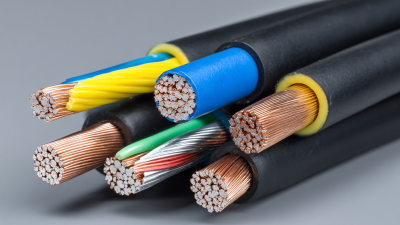
NYCY and NYCWY are 0.6/1 kV low-voltage power cables designed for fixed installations in buildings, industrial facilities, trenches, ducts, pipes, and underground routes. Their copper conductors—bare or tinned—provide high conductivity and reliable connection performance, while PVC insulation and an outer PVC sheath offer electrical protection, abrasion resistance, and practical durability. In multi-core configurations, these cables can carry several power circuits or control signals within one organized cable route. The 0.6/1 kV voltage class follows the framework of IEC 60502-1, while conductor dimensions and resistance are commonly assessed against IEC 60228 requirements.

Selection should consider conductor cross-sectional area, permissible current, voltage drop, short-circuit withstand, installation temperature, grouping, soil thermal resistance, and mechanical exposure. NYCY is suitable where a conventional protective sheath is sufficient; NYCWY, with its concentric copper protective arrangement, is preferable when enhanced earthing, screening, or mechanical protection is required. The International Energy Agency’s *Electricity 2024* report projects global electricity demand growth of about 4% in both 2024 and 2025, reinforcing the need for dependable low-voltage distribution infrastructure in industrial and building applications.

During installation, cable routes should be checked for water accumulation, sharp edges, excessive pulling tension, and minimum bending radius. Underground sections should use suitable bedding and backfill, while cables in pipes must have adequate internal space and heat dissipation. The concentric copper layer should be correctly bonded to the protective-earthing system, and final testing should include insulation resistance, continuity, phase identification, and verification of protective-device coordination.

FAQS

How should I choose the conductor size for an XLPE power cable?

Start with the actual load, not the catalogue. Conductor size affects ampacity, voltage drop, and resistive loss. Common copper sizes range from 16 mm² to 630 mm². Aluminium may need a larger cross-section.

What factors affect cable ampacity?

Ampacity depends on conductor material, installation depth, soil thermal resistivity, ambient temperature, grouping, and duct placement. A 240 mm² cable in open air may carry more current than the same cable in a crowded trench. Small details matter.

What installation information should be included in an ampacity calculation?

Record the burial depth, soil conditions, surrounding temperature, cable spacing, duct arrangement, and grouping. Ask for calculation records using recognized cable-rating methods. Without these details, the current rating may look precise but remain unreliable.

How can I control voltage drop and energy loss?

Set voltage-drop and annual-loss targets before selecting the cable. A larger conductor can reduce resistance, but it increases material cost. Use a realistic load profile, including cyclic loading and harmonic heating. Maximum current alone can mislead.

What electrical data should a supplier provide?

Request conductor resistance at 20°C and operating temperature. Also request rated voltage, conductor size, insulation thickness, and test conditions. Recheck the figures against the planned installation. Neat calculations can still fail after site conditions change.

Which documents should I request before approving a cable supplier?

Request the complete type test report, not a single-page certificate. It should identify conductor size, rated voltage, insulation thickness, test date, laboratory qualifications, and applicable standards. Ask for evidence.

How should I verify a conformity certificate?

Check that it covers the exact cable structure, voltage class, factory location, and production scope. Confirm its validity through the official certification system. A similar product name may not be enough.

What warranty terms deserve careful review?

Review the coverage period, defect definitions, inspection procedures, and transport responsibilities. Clarify how claims are documented and resolved. Vague warranty language creates trouble later. I would not rely on promises alone.

How can delivery performance be compared fairly?

Request quoted lead times, actual dispatch dates, order quantities, and monthly on-time records. One successful shipment proves little. Copper prices and factory capacity can change delivery promises. Get major risks in writing.

What should I inspect when cable drums arrive?

Check the cable length, size, gross weight, drum condition, and sealing. Match the markings with the order and test documents. Keep receiving records for traceability. Small omissions become expensive later.

Conclusion

China’s Xlpe Insulated Power Cable market covers applications from 1 kV distribution systems to 500 kV transmission networks. With XLPE insulation rated for continuous operation at 90°C, these cables provide strong thermal stability, reliable electrical performance, and efficient load capacity. Product selection depends on conductor material, cross-sectional size, permissible ampacity, voltage class, and target loss levels. Manufacturers typically design products according to applicable IEC 60502-1, IEC 60502-2, and IEC 60840 requirements, while project-specific specifications may define additional testing and installation criteria.

When comparing Chinese suppliers, buyers should evaluate production capacity, quality-control systems, CCC certification where applicable, international certifications, type-test reports, export experience, warranty terms, and delivery performance. A reliable supplier should provide transparent technical documentation, verified test data, consistent conductor and insulation quality, and practical support for project installation. Reviewing these factors together helps purchasers identify suitable cable solutions for utility, industrial, infrastructure, and renewable-energy applications while balancing safety, service life, cost, and delivery reliability.
Aiden

Aiden

Aiden is a dedicated marketing professional at Henan Hesong Cable Co., Ltd., where he leverages his extensive knowledge of the cable industry to drive product awareness and customer engagement. With a strong background in engineering and business, Aiden has developed a keen understanding of the......
Previous What Are the Top China Three Phase Armoured Cable Suppliers?