In today’s really fast-moving market, global buyers are always on the lookout for reliable suppliers, and that’s where the Top Electrical Cable Factory shines. I mean, John Anderson from Electra Cables, one of the industry pros, once said, “Quality and innovation are key to keeping buyer trust alive.” It honestly captures what makes a manufacturer stand out in the crowd.
With everyone demanding more efficient solutions, companies like Electra get how crucial products like the 4mm Electrical Cable are these days. This type of cable is pretty much a must-have for so many different jobs. It delivers solid performance, but honestly, not all factories manage to keep the quality consistent — and that’s a real challenge with quality control.
Getting through these hurdles means really knowing your product’s integrity and making sure you're following all the rules. Companies need to aim for the highest standards. The Top Electrical Cable Factory can’t just focus on how much they produce — they’ve got to be all about the quality and trustworthiness, too. Buyers want partners they can rely on, who are transparent and genuinely care about the details.
Key Factors to Consider When Choosing an Electrical Cable Factory
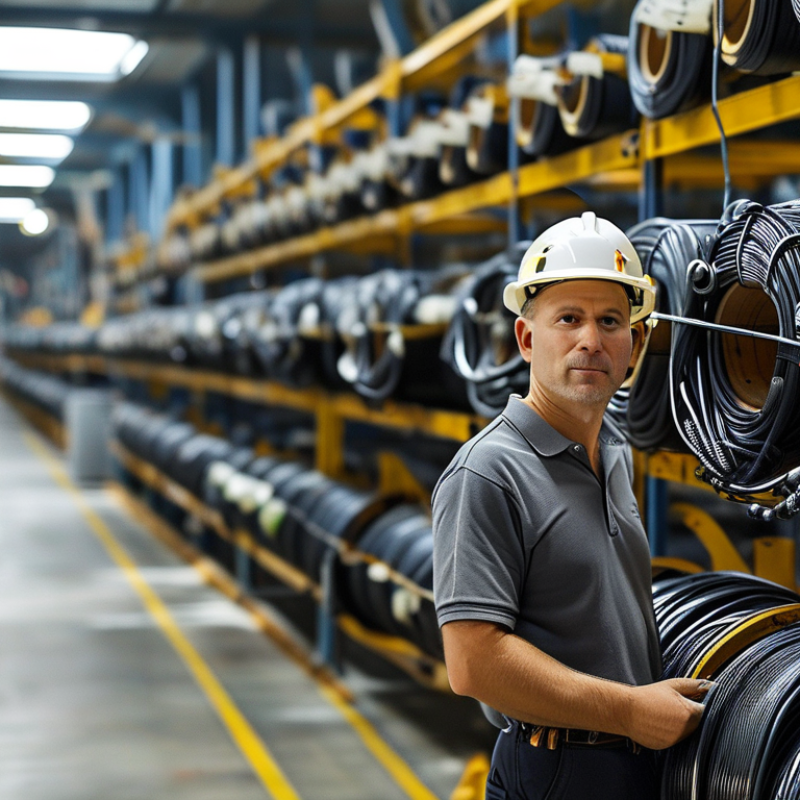
When selecting an electrical cable factory, several key factors come into play. Quality is paramount; you want to ensure that the factory produces cables that meet international standards. Look for certifications that indicate compliance with safety and performance benchmarks. A factory's reputation can offer insights into its reliability and product excellence.
Another factor is production capacity. A factory that can handle large orders may provide better pricing and faster delivery. Consider the range of products as well. A versatile factory can supply various cable types, including the essential 16mm Electrical Cable for various applications.
Tips: Verify the factory's track record. An extensive portfolio showcases experience. Communication is essential. A factory that responds promptly reflects professionalism. Don't hesitate to ask for samples before making a large commitment.
Lastly, evaluate customer support. Effective support can address potential issues quickly. The differences between good and great factories often emerge in how they handle challenges. A factory's willingness to adapt and improve could enhance your long-term partnership.
Top Electrical Cable Manufacturers Leading the Global Market
The global electrical cable market is experiencing steady growth. A recent report indicates an increase in demand driven by infrastructure development. The market is projected to reach approximately $250 billion by 2030, with a compound annual growth rate (CAGR) of 5.5% from 2022 to 2030.
Leading manufacturers are focused on innovative production techniques. Many companies are investing heavily in research and development. They aim to enhance cable performance and sustainability. Despite the growth, the competition remains fierce. Some manufacturers struggle to keep up with technological advancements.
Market analysis shows a shift towards eco-friendly materials. This trend reflects increasing environmental awareness. Buyers are looking for suppliers that prioritize sustainability. However, not all manufacturers have embraced this transition fully. It creates a gap in the market for innovative solutions. Balancing cost and quality continues to be a challenge for many manufacturers. As the market evolves, adaptability will be key for success.
Quality Standards and Certifications for Electrical Cable Production
In the ever-evolving world of electrical cable production, quality standards and certifications are paramount. Buyers often seek assurance that products meet rigorous safety and performance benchmarks. Various organizations provide these standards, ensuring consistency across manufacturing processes. These certifications, like ISO and IEC, validate that a factory adheres to strict guidelines. Without these, trust in the product diminishes significantly.
For instance, Single Core Electrical Cable must meet specific requirements concerning insulation and conductivity. A factory might claim to produce high-quality cables, but without proper certifying bodies’ endorsement, their claims can remain unverified. Reliability in production is directly linked to these standards. Regular audits can help maintain compliance. However, some manufacturers may neglect this aspect, prioritizing cost-cutting over quality. Such practices can undermine customer trust and lead to significant safety risks.
It’s crucial for both manufacturers and buyers to prioritize quality over cost. A commitment to compliance not only builds brand integrity but also enhances product longevity. Even minor lapses in quality checks can result in catastrophic failures. Every detail in the production, particularly for a product as critical as Single Core Electrical Cable, warrants meticulous attention and reflection.
Quality Standards and Certifications for Electrical Cable Production
Technological Innovations in Electrical Cable Manufacturing
The electrical cable manufacturing sector is undergoing significant changes driven by technological innovations. Manufacturers are increasingly utilizing automated processes to enhance efficiency and reduce production costs. This shift towards automation allows for precision and consistency in the final products, including essential items like the 3 Core Electrical Cable 2.5 Mm.
In addition to automation, advanced materials are being explored to improve cable performance. For instance, innovations in insulation materials can result in cables that withstand higher temperatures and resist environmental degradation. These improvements bolster the reliability of electrical cables in diverse applications, from construction sites to household wiring. However, the challenge remains to balance cost with these new materials. Innovations require investment, and not all manufacturers may have the resources to adapt swiftly.
Moreover, smart technology integration into manufacturing systems is on the rise. Real-time data analytics helps in monitoring production quality and predicting equipment failures. Yet, this reliance on technology raises questions about cybersecurity and data privacy. As manufacturers embrace these changes, they must also consider the potential vulnerabilities that arise. Embracing innovation while ensuring robust security measures is crucial for a sustainable future in electrical cable production.
Sustainability Practices in Electrical Cable Factories Worldwide
In recent years, sustainability has become a crucial focus for electrical cable factories around the globe. Many factories have initiated eco-friendly practices to reduce their carbon footprint. For example, some factories use recycled materials in their production processes. This not only minimizes waste but also helps in conserving natural resources. Using renewable energy sources like solar or wind power is another step towards greener operations.
Despite these advancements, challenges remain. Not every factory consistently maintains these practices. Some might engage in greenwashing, presenting an eco-friendly image while not meeting actual environmental standards. Other factories may struggle with the high costs associated with sustainable materials. This inconsistency raises questions about the true commitment of these factories to sustainability.
Additionally, the demand for sustainable products is growing among consumers. Companies are pressured to adopt greener practices to remain competitive. However, the transition can be overwhelming for some factories, especially smaller ones. Balancing profitability with environmental responsibility is an ongoing challenge in the industry. As global buyers prioritize sustainability, the push for more responsible manufacturing will likely continue to evolve.
Understanding Supply Chain Dynamics in Electrical Cable Industry
In the electrical cable industry, understanding supply chain dynamics is crucial. The market is projected to grow at a compound annual growth rate (CAGR) of 5.3% from 2023 to 2028, according to industry reports. With increasing demand for energy efficiency and sustainable solutions, manufacturers are under pressure to innovate.
Raw materials remain a significant factor. Copper prices fluctuate due to geopolitical instability and global demand. This impacts overall production costs and timelines. Transparency in sourcing raw materials can enhance supplier relationships and establish trust. It’s essential for companies to invest in technology and infrastructure to streamline operations.
**Tip:** Regularly assess supplier performance. Establish criteria based on quality and delivery times.
In a world driven by digital transformations, adopting smart logistics can mitigate risks. Supply chain disruptions are a reality; thus, diversified sourcing strategies become necessary. A recent study revealed that companies with multiple sourcing options performed better during crises. Companies must adapt and be proactive in managing their supply chains for sustained growth.
**Tip:** Keep a close watch on market trends. Adjust your sourcing strategies as necessary.
Buyer Recommendations for Sourcing Electrical Cables Globally
When sourcing electrical cables globally, understanding the market is crucial. Each region has specific needs. Research local standards and requirements before making a decision. This avoids costly mistakes and ensures compliance.
Consider the types of cables you need. For instance, a 3 Wire Electrical Cable serves various applications. Ensure you choose suppliers who understand these specific uses. Look for factories with robust quality control measures. Reliable suppliers can provide certifications that validate their products.
Engage with potential manufacturers directly. Ask questions about their production processes and materials used. This helps establish their expertise. Pay attention to customer service as well. Responsive communication can indicate a supplier's reliability. However, be aware that not all factories maintain consistency. Perform due diligence to find trustworthy partners.
Top Electrical Cable Factory for Global Buyers
| Factory Location | Production Capacity (km/year) | Types of Cables | Certifications | Export Markets | Contact Method |
| China | 150,000 | PVC, XLPE, Rubber | ISO 9001, CE | North America, Europe, Asia | Email |
| Germany | 120,000 | Control, Power, Data | DIN, UL | Europe, Asia | Phone |
| India | 80,000 | HV, LV, Flexible | ISO 14001, BIS | Middle East, Africa | Website |
| USA | 200,000 | Fiber Optic, Coaxial | UL, RoHS | North America, Latin America | Email, Phone |
| South Korea | 60,000 | Solar, Wind, Marine | KEMA, CE | Asia, Oceania | Website |
Comprehensive Guide to 600V HMWPE Copper Conductor Cables for Effective Cathodic Protection Solutions
When it comes to effective cathodic protection solutions, the choice of conductor cables is crucial. The 600V HMWPE copper conductor cables stand out due to their superior performance characteristics. These cables utilize soft annealed stranded copper conductors that conform to ASTM specifications B-3 and B-8. This ensures high conductivity and flexibility, making them ideal for various installations required in cathodic protection applications.
The insulation material used in these cables is high molecular weight polyethylene (HMWPE), which offers excellent durability and resistance to environmental stressors. With a temperature rating of 75 degrees Celsius, these cables are designed to withstand challenging conditions while maintaining efficiency. Rated for 600 volts, they provide a reliable electrical pathway essential for protecting pipelines and other structures from corrosion. This combination of robust materials and careful engineering makes them an optimal choice for ensuring longevity and effectiveness in cathodic protection systems.
FAQS
: Infrastructure development is driving steady growth in the electrical cable market.
The market is projected to reach approximately $250 billion by 2030.
The expected compound annual growth rate is 5.5%.
Manufacturers invest in innovative production techniques and research and development.
There is a shift towards eco-friendly materials, reflecting environmental awareness.
Buyers should understand local standards and requirements to avoid costly mistakes.
Responsive communication indicates a supplier’s reliability and expertise.
Look for robust quality control measures and valid product certifications.
Adaptability is key as the market evolves and competition becomes fiercer.
Many struggle to keep up with technological advancements while balancing cost and quality.
Conclusion
When seeking a top electrical cable factory, global buyers should consider various key factors that influence their decision. These include the manufacturer's reputation, quality standards, and certifications that ensure compliance with international regulations. Leading Electrical Cable Manufacturers are recognized for their technological innovations that enhance production efficiency and product reliability.
Sustainability has also become a critical aspect, as many factories are adopting eco-friendly practices to minimize their environmental impact. Understanding the supply chain dynamics, such as sourcing materials and distribution logistics, is essential for ensuring timely delivery and cost-effectiveness. Buyers are encouraged to conduct thorough research and seek recommendations when sourcing electrical cables globally, ensuring they partner with the best manufacturers in the industry.